



Monsoon Season Foods: Boost Immunity and Enjoy the Rainy Days

Essential Monsoon Season Foods: Boost Immunity and Enjoy the Rainy Days

Introduction

The monsoon season brings relief from the scorching summer heat and ushers in a time of lush greenery and rejuvenation. However, this season also presents unique health challenges due to the increased humidity and the growth of bacteria and viruses. To stay healthy and vibrant during the rainy season, incorporating the right monsoon season food into your diet is essential. This blog will explore the best monsoon season foods, their health benefits, and how to make the most of them to boost your immunity and enjoy the rains.

Monsoon Season Foods: Boost Immunity and Enjoy the Rainy Days

The Importance of Eating Right in the Monsoon

Monsoon season food plays a crucial role in maintaining health during the rainy season. The humid and damp weather can lead to increased susceptibility to infections and digestive issues. Thus, focusing on monsoon season foods that boost immunity and are easy on the digestive system can help you stay well and energetic. Choosing the right monsoon season foods is key to balancing appetite changes and providing the nutrients necessary for optimal health.

Top Vegetables for the Monsoon

Bitter Gourd (Karela)

  • Benefits: Bitter gourd is a powerful monsoon season food known for its detoxifying and immune-boosting properties. It helps purify the blood, enhance digestion, and reduce inflammation. The bitter compounds in karela have strong antibacterial and antiviral effects, making it a great choice during the monsoon.
  • How to Use: You can prepare monsoon season food with bitter gourd by making stuffed karela, karela stir-fry, or adding it to soups. Drinking bitter gourd juice can also be beneficial.

Bottle Gourd (Lauki)

  • Benefits: Bottle gourd is an ideal monsoon season food because of its high water content and cooling properties. It aids digestion, supports weight loss, and is good for heart health. Its hydrating nature helps keep the body cool and balanced during the rainy season.
  • How to Use: Incorporate bottle gourd into your monsoon season food repertoire by preparing soups, curries, or lauki juice. Lauki kofta, or grated bottle gourd balls in curry, is a popular dish.

Tinda (Indian Round Gourd)

  • Benefits: Tinda is a water-rich monsoon season food that helps in maintaining hydration and improving digestion. It is easy on the stomach and provides essential nutrients to support overall health.
  • How to Use: Prepare tinda sabzi, add it to curries, or make a tinda and dal stew to enjoy its benefits.

Monsoon Season Foods: Boost Immunity and Enjoy the Rainy Days

Spinach

  • Benefits: Spinach is packed with vitamins A, C, and K, along with iron and folate, making it a valuable monsoon season food. It boosts immunity, supports eye health, and helps reduce oxidative stress.
  • How to Use: Use spinach in salads, soups, or cook it as palak paneer. Spinach smoothies are a great way to incorporate this monsoon season food into your breakfast.

Radish

  • Benefits: Radish is another excellent monsoon season food rich in vitamin C, fiber, and antioxidants. It aids digestion, detoxifies the liver, and enhances immunity.
  • How to Use: Add radish to salads, soups, or prepare mooli paratha (stuffed radish flatbread). Radish can also be pickled for added flavor.

Immunity-Boosting Fruits in Rainy Season

Pomegranates

  • Benefits: Pomegranates are loaded with antioxidants, vitamins, and minerals, making them an essential monsoon season food for boosting immunity and heart health. They also help reduce inflammation, which is beneficial during the rainy season.
  • How to Use: Enjoy pomegranate seeds as a snack, add them to salads, or blend them into smoothies. Pomegranate juice is also refreshing and healthy.

Apples

  • Benefits: Apples are a great monsoon season food due to their high fiber, vitamin, and antioxidant content. They aid digestion, boost immunity, and help in preventing chronic diseases.
  • How to Use: Eat apples as a snack, include them in fruit salads, or bake them with cinnamon for a nutritious dessert.

Papaya

  • Benefits: Papaya is a beneficial monsoon season food rich in vitamin C, fiber, and antioxidants. It supports digestion, boosts immunity, and reduces inflammation.
  • How to Use: Enjoy fresh papaya as a snack, add it to fruit salads, or blend it into smoothies. It can also be used in savory dishes like salads and salsas.

Monsoon Season Foods: Boost Immunity and Enjoy the Rainy Days

Oranges

  • Benefits: Oranges are packed with vitamin C, fiber, and antioxidants, making them a crucial monsoon season food for improving immunity and skin health. They also help reduce the risk of chronic diseases.
  • How to Use: Eat fresh oranges, add them to salads, or drink freshly squeezed orange juice. Oranges can be used in both sweet and savory dishes.

Pears

  • Benefits: Pears are high in fiber, vitamins, and antioxidants, making them a valuable monsoon season food for digestion, immunity, and heart health.
  • How to Use: Eat pears as a snack, add them to salads, or bake them with spices for a healthy dessert. Pears can also be included in savory dishes and smoothies.

Other Monsoon Superfoods

Ginger

  • Benefits: Ginger is a powerful monsoon season food with anti-inflammatory and antioxidant properties. It helps in boosting immunity, improving digestion, and reducing nausea.
  • How to Use: Incorporate ginger into your monsoon season food routine by adding it to teas, soups, stir-fries, and smoothies. Ginger tea with honey and lemon is a popular remedy for colds and sore throats.

Garlic

  • Benefits: Garlic contains allicin, which offers antimicrobial and immune-boosting benefits. It helps fight infections and reduces inflammation, making it a key monsoon season food.
  • How to Use: Use garlic in cooking to enhance the flavor of soups, stews, and stir-fries. For optimal benefits, consume garlic raw or lightly cooked.

Turmeric

  • Benefits: Turmeric is rich in curcumin, a compound with potent anti-inflammatory and antioxidant properties. It is an important monsoon season food for boosting immunity and reducing inflammation.
  • How to Use: Add turmeric to curries, soups, and teas. Golden milk (milk with turmeric) is a popular way to enjoy turmeric.

Honey

  • Benefits: Monsoon Season Foods as Honey has natural antibacterial and antiviral properties, making it a valuable monsoon season food. It soothes the throat, boosts immunity, and provides a natural energy boost.
  • How to Use: Use honey as a sweetener in teas, smoothies, and desserts. A spoonful of honey with warm water and lemon is an effective remedy for colds and sore throats.

Almonds

  • Benefits: Almonds are packed with vitamin E, healthy fats, and antioxidants, making them a nutritious monsoon season food. They support immunity, skin health, and heart health.
  • How to Use: Snack on almonds daily, add them to oatmeal, yogurt, or salads. Almond butter is also a delicious and healthy spread.
Monsoon Season Foods: Boost Immunity and Enjoy the Rainy Days

How to Incorporate Monsoon Season Foods into Your Diet

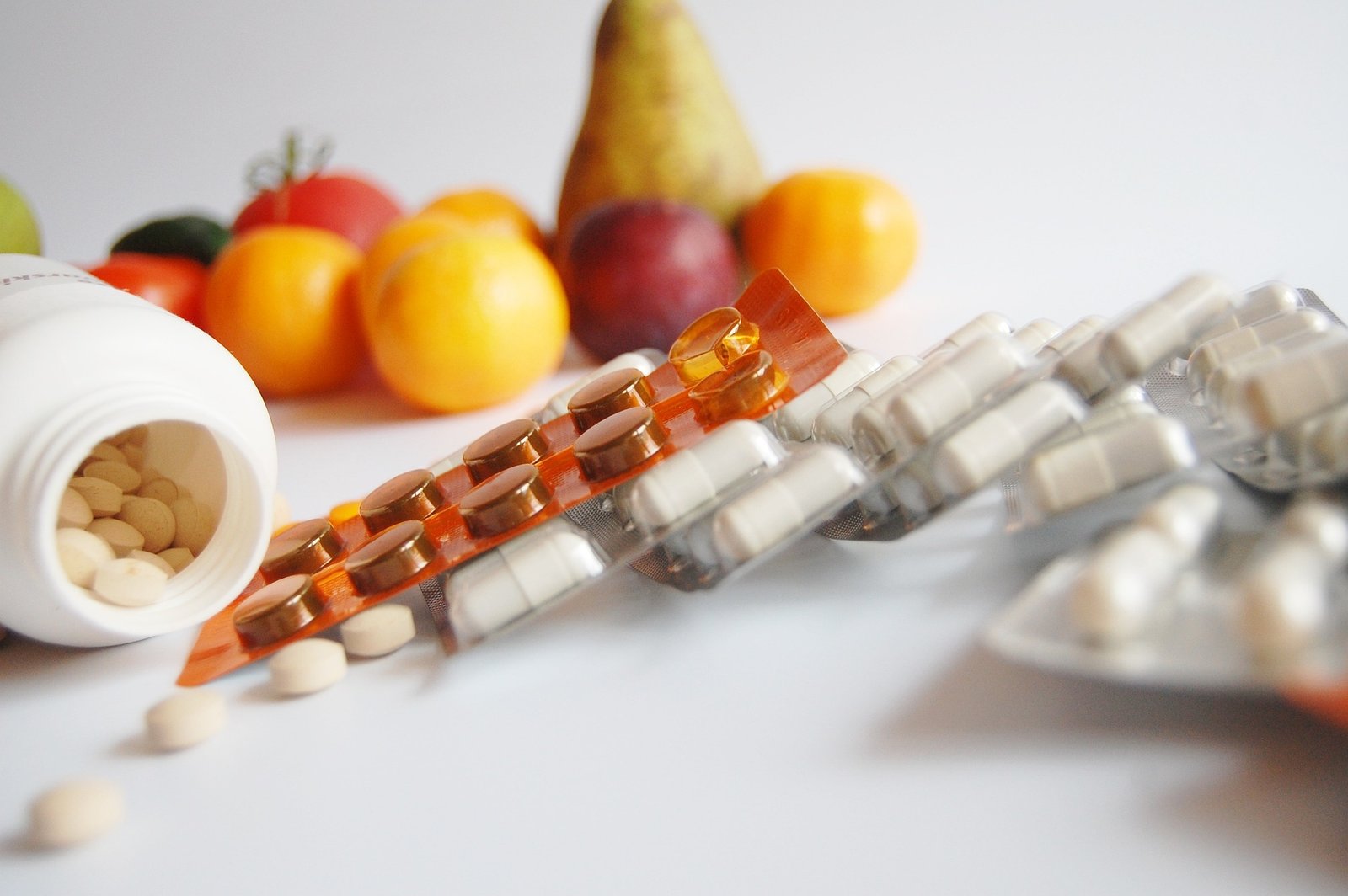
Eating a balanced diet rich in monsoon season foods is essential for good health and immunity. Here are some tips to incorporate these monsoon season foods into your daily meals:

Breakfast

  • Smoothie: Start your day with a smoothie made from yogurt, fresh fruits, and a dash of turmeric. Add a handful of almonds for an extra boost of vitamin E.
  • Oatmeal: Prepare oatmeal with fresh fruits like apples, pears, and a sprinkle of cinnamon. Top Monsoon Season Foods with honey and almonds for added nutrition.

Lunch

  • Salad: Prepare a salad with green leafy vegetables, citrus fruits, and pumpkin seeds. Drizzle with olive oil and lemon juice for a healthy dressing.
  • Soup: Make a nourishing soup with monsoon season foods like spinach, bottle gourd, and ginger. Add garlic for additional flavor and health benefits.

Snacks

  • Fruit: Keep snacks like fresh fruits (oranges, pomegranates) handy. Ginger tea with honey and lemon makes for a soothing and immune-boosting drink.
  • Nuts: Snack on a handful of almonds or prepare a mix of nuts and seeds for a healthy and energizing snack.

Dinner

  • Curry: Prepare curries with vegetables like bitter gourd, tinda, and garlic. Add turmeric for its anti-inflammatory properties.
  • Stew: Make a vegetable stew with a variety of monsoon season foods and spices like ginger and turmeric. Serve with whole-grain bread or rice.

Desserts

  • Baked Fruits: Bake apples or pears with a sprinkle of cinnamon and honey for a healthy dessert for Monsoon Season Foods.
  • Yogurt Parfait: Layer yogurt with fresh fruits, nuts, and a drizzle of honey for a delicious and nutritious dessert.
Lifestyle Tips to Boost Immunity

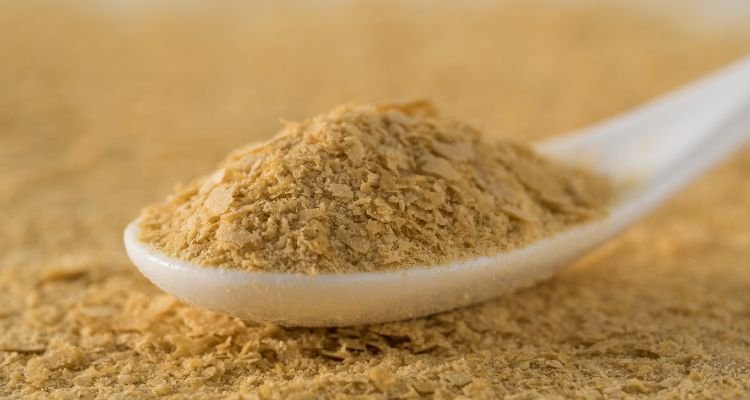
In addition to eating monsoon season food, adopting healthy lifestyle habits is essential for boosting immunity. Here are some tips:

  • Stay Hydrated: Monsoon Season Foods Drink plenty of water throughout the day to keep your body hydrated and flush out toxins.
  • Exercise Regularly: Engage in regular physical activity to improve circulation and boost your immune system.
  • Get Adequate Sleep: Ensure you get 7-8 hours of quality sleep each night to support immune function.
  • Practice Good Hygiene: Wash your hands regularly and maintain good hygiene to prevent infections.
  • Manage Stress: Practice stress-reducing techniques such as meditation, yoga, and deep breathing exercises to keep your immune system strong.

Conclusion

Incorporating the right monsoon season foods into your diet is key to staying healthy and enjoying the rainy days. By focusing on nutrient-rich fruits, vegetables, and superfoods, you can boost your immunity and protect yourself from common monsoon-related illnesses. Remember to stay consistent with a balanced diet and healthy lifestyle habits to make the most of the monsoon season.

For more tips on health-related advice, visit our blog regularly. Stay healthy and embrace the monsoon with vigor!


Important Links

More Posts

Government vs Private Jobs for Pharmacists: Which Is Better?

Government vs Private Jobs for Pharmacists: Which Is Better?

Pharmacists always come up with a question, either from others or just by themselves, and that is which sector is better to build a career, the private or the government? Well, both alternatives have their own advantages and disadvantages. Government jobs for phamacists characterised by stability, constant working hours, long term security, whereas private jobs offer quick progress, greater income capacity, and a variety of working opportunities. 

All these together confuse the student, and somehow, they get guided due to a lack of facts and guidance. Therefore, it becomes important to have knowledge of both in order to follow a direction that fits their objectives and lifestyle. To help you out and present the right information in front of you, we have compiled all the information in this guide. This will let you understand everything, and you will be able to figure out what is good for your career and choices. So, stay tuned to know further.

Overview of Pharmacist Jobs in India

India presents diverse career prospects in the field of pharmacists, both in the public and private sectors of health care. The pharmacist plays a vital role in facilitating safe and effective medication use, patient education, and health care provision. They practise in hospitals, retail pharmacies, pharmaceutical companies, research laboratories, regulatory agencies, and government jobs for pharmacists in health departments and public institutions.

As the level of healthcare services increasing so does the demand for skilled pharmacists. All the professions in pharmacy offer work security, decent earnings, and specialisation. Whether it’s in the field of patient care, drug manufacturing, quality control, or clinical research, Pharmacy is a profession that is trusted and satisfying in India and helps you in your growth.

Government Jobs for Pharmacists

Here are some of the government jobs for pharmacists mentioned below. If you are looking for the same, then go through the table below:-

Types of jobs About
Government Pharmacist in a hospital Pharmacists in government hospitals deal with the storage of medicine, dispensing of medicine, and patient advice. They make sure that the necessary drugs are available and they do not break the safety rules. This position provides consistent working schedules, job security, and satisfaction of serving patients in government-based medical centres.
Drug Inspector A pharmaceutical inspector inspects the quality, safety, and legality of the drugs being sold in the market. They carry out inspections in pharmacies, factories, and warehouses to make sure that rules are adhered to. This is a position with authority, responsibility, and an attractive position in government health departments.
Pharmacist in Railways Pharmacists are employed by Indian Railways in health and railway hospitals. They offer medicine to employees and their families in the railways. This is a well-paid job that is accompanied by government perks, predictable earnings, and a chance to work in various parts of India.
Pharmacist in Defence Services Defence pharmacists serve medical departments within the army, navy, or air force. They handle the medical supplies and support the medical teams. This position is disciplined, respectful, well-benefited, and an opportunity to serve the country.
Pharmacist in Public Sector Undertakings (PSUs) There are numerous PSUs that employ pharmacists in their hospitals and health care units. Such jobs are well paid, secure, and balanced. The pharmacists of this group are contributing to employee healthcare with the benefit of government-sponsored groups.

Private Jobs for Pharmacists

Here are some of the private jobs for pharmacists mentioned below. Go through them one by one.
Jobs About
Retail Pharmacist Retail pharmacists operate in pharmacies and medical stores, selling medications and giving advice to customers on how to use them. They directly handle patients, give instructions on doses, and provide information on safe handling of medicine. The position has a predictable demand, flexibility, and the possibility to run a business.
Hospital Pharmacist Doctors and nurses closely interact with hospital pharmacists to handle the medication of patients. They guarantee the right dosage of drugs, interactions, and cataloguing in a hospital. This will provide an excellent work experience, development opportunity, and a secure working environment in private health facilities.
Sales Executive in the Pharmaceutical Industry Pharmacists serve as medical or pharmaceutical salespeople who market medicine to physicians and hospitals. The position has good incentives, pay for performance, and career development. It is appropriate for people who have good communication abilities and are interested in the field of marketing.
Pharmacist Production and Quality Control The pharmacists are employed in the manufacturing units of pharmaceuticals. They oversee the manufacturing of drugs, quality testing, and safety levels. The role presents technical education, professional growth, and provides exposure to large-scale manufacturing of medicines.
Clinical Research Associate Clinical research pharmacists facilitate drug trials and regulatory measures. They assist in the provision of patient safety in research studies. This is a good position with salaries, learning, and an opportunity to work in advanced innovation and medical research.

Government vs Private Jobs: Detailed Comparison

Aspect Government pharmacist jobs Private pharmacist jobs
Employers type ESIC, the Central and state governments, railways, armed forces pharma manufacturing companies, CROs, MNCs, private hospitals
Job security High Moderate, depends on the stability of the company
Risk related to layoffs Almost none Only possible during restructuring and recession
Salary at the entry level around 25,000 to 40,000 around 15,000 to 30,000
Pension benefits Mostly available in all gov job roles Not available
Work life balance Mostly good Often changes

Which Is Better for You?

Whether you are a fresher, an experienced one, someone with long-term goals, or others, we have described what will be better for you. This will help you to have an idea about what can work out for you.
Category Career Perspective
For Freshers Government jobs are the favourite of freshers because of job security, structured learning, and fixed work hours. The private positions would also be enticing to those with ambitious initial salaries and career advancements. The correct course of action is a matter of priorities and the tolerance of work pressure.
Experienced Pharmacists The skilled workers can be able to work in the private sector where they can be able to receive higher compensation, promotions, and management positions. The government positions provide slow but sure growth, and they might be slow for those who want to climb the ladder very fast.
Based on Long-Term Goals Government jobs are best when you want to be stable, have pension benefits, and are also structured to allow a clear progression. In the case of entrepreneurship, specialisation, or increased income, the opportunities of the private sector are more appropriate.
Personal Preference and Lifestyle The issue of work-life balance, flexibility in locations, and personal interests will be relevant. Government jobs would be ideal just in case you appreciate stability and set schedules. In case you can work better in a dynamic job and get more incentives and different experiences, employment in privates can be more fulfilling.

In general, the knowledge of your priorities will assist you in choosing the most appropriate job among pharmacist opportunities in India.

Tips to Choose the Right Pharmacist Career Path

Here are some of the tips given below, which will help you to select the right pharmacist career path. Have a look at them one by one:-

1. Identify Your Interests

Consider what field you are most interested in, whether it is hospital pharmacy, retail, research, or sales. When you make a choice of the area you like, you will be motivated and working will be fulfilling.

2. Consider Job Security

In case stability is of concern, there is long-term security in government positions. This could make private jobs a better fit for the risk-takers who are interested in getting more money.

3. Assess Remuneration and Career Prospects

Compare base salary, benefits, and advancements. The initial payment in private jobs is usually higher, whereas government jobs will experience an increment over time.

4. Brings Work-Life Balance

Make a decision on the level of significance of fixed hours, leaves, and flexible schedules to you. Certainly, some jobs will require extended working hours or travelling, whereas others can be more routine.

5. Check Location Flexibility

Consider the location of your preference, whether in a city, town, or rural area. In government jobs, transfers can be made, whereas with private jobs, it is often possible to have a high degree of choice of location.

6. Align with Long-Term Goals

Take into consideration your future courses, whether you want to specialise, become an entrepreneur, or become a leader. Select a career that will assist you in realising your personal as well as professional objectives.

Sum up!

The choice of the type of employment between the government and the private sector among pharmacists is a matter of priorities. The government jobs offer predictability, scheduled working hours, and consistent growth, and thus, they are ideal for those who appreciate security and work-life balance. The jobs in the private sector are better paid, have faster career growth, and give diverse experiences to ambitious people. 

Aspects such as long-term objectives, way of life, and personal inclinations are important in the decision. Knowing the differences will make you take the right direction that is in line with your aspirations. Stable jobs or dynamic ones are both good choices; however, in the rapidly expanding pharmacist jobs in India, both are rewarding. If you are also interested in pharmacy courses, then enroll in KIITS.  We will provide you with quality education and expert guidance. 

Also Read: Top 10 Companies Offering Jobs for Pharmacy Students

Top Practical Skills Every D. Pharma Student Must Learn

Top Practical Skills Every D. Pharma Student Must Learn

practical skills for D.Phrama

A Diploma in Pharmacy (D. Pharma) is not merely a degree; it is a package of skills that you will use in a pharmacy setting. You learn various skills in this, including proper handling of medicines, leading patients in the most satisfactory manner, and others. Whatever profession you are dreaming of after completing D. pharma, be it in a retail pharmacy, hospital, or medical store, practical knowledge will make you career-oriented and professional. 

Learning about how to dispense drugs, basic patient care, and safety practices can make you work responsibly and efficiently. Therefore, if you are a d. Pharma students do pay attention to the basic skills to gain proficiency. These D. Pharma practical skills play a key role in shaping a confident and capable pharmacist. 

What Is D. Pharma and Its Career Scope

D. Pharma or Diploma in Pharmacy is a professional course that is pursued by those students who want to make a career in the pharmaceutical industry. It primarily focuses on the fundamentals of medicines, their applications, dosage, and safe dispensing, while also building strong D. Pharma practical skills. Upon completing D. Pharma, students are employed as registered pharmacists in a medical store, hospital, or clinic, or even in a pharmaceutical company.

Along with this, students can also prefer to start up their own pharmacy or proceed with higher education, such as B. Pharma. As the demand for healthcare services increases, the scope of the career of D. Pharma is broad, stable, and it can fit early job seekers in healthcare.

Top Practical Skills Every D. Pharma Student Must Learn

A successful career in D. Pharma will be based on practical skills. Students have to acquire skills learning concepts in a practical pharmacy context in addition to acquiring theoretical knowledge. The most important skills are the ability to dispense medication properly, grasp the prescriptions, and preserve the conditions in drug storage, as well as ensure patient safety.

Communication also matters, as the pharmacists usually instruct the patients concerning the dosage and usage. Rudimentary skills in inventory control, billing, and Pharmacy laws are useful in day-to-day functions. Acquisition of hygiene, proper labelling of medicines, and managing emergencies with confidence. Such practical knowledge renders D. Pharma graduates employment-ready and assists them in undertaking their responsibilities in the healthcare industry in a responsible and professional manner.

Importance of Practical Training During D. Pharma

Here are some of the points given below regarding the importance of practical training in the D.Pharm. Go through them one by one.

1. Develops self-confidence

The hands-on training also makes D. Pharma students feel at ease in an actual pharmacy setting. Through dealing with medicines, observing prescriptions, and working with patients, students get to learn how things work out while developing essential practical skills for D. Pharma students. Such practical exposure will minimise fear, enhance accuracy, and equip the students to cope with the day-to-day responsibilities without any difficulty once they complete the course.

2. Enhances Medicinal Education

The students get hands-on training on how medicines are stored, dispensed, and explained to patients. The practical use of drugs makes the theory understandable. It improves the memorization of drug names, uses, and precautions by students, resulting in safer and more effective pharmacy practice.

3. Improves Patient Communication

In the course of training, patients and healthcare staff members frequently discuss issues with the students. This enhances communication skills and helps learns how to describe dosage, side effects, and precautions using easy language. Effective communication creates a sense of trust in patients and adequate use of medicines in a safe manner.

4. Lectures on Professional Responsibility

Hands-on experience demonstrates to students to be accurate, hygienic, and ethical when practising pharmacy. They are taught about the pharmacy laws, record keeping, and how to handle medicines. This instils discipline and professionalism in them, which is highly required in medical stores, hospitals, and clinics.

5. Trains Students to be job-ready

Practical training will render the students job-ready as they will be introduced to the actual work in the pharmacy, such as billing, handling stock, and prescription work. Employers generally look for applicants who are experienced, as they can work efficiently without having to undergo further training.

6. Help Determine Career Interests

Practical experience enables students to be introduced to various pharmacy environments, including retail, hospital, and clinical pharmacy. This would help them know where their interest is and strategize their future career direction with a lot of confidence, either in employment, in higher education, or starting their own pharmacy.

Common Mistakes D. Pharma Students Should Avoid

A lot of D. Pharma students commit mistakes, which can impact their learning and career. Among the mistakes that are committed by the students is the tendency to focus on learning theory and not pay attention to the practical training, which is highly essential in pharmacy. Some students do not read prescriptions carefully, which leads to mistakes. 

The lack of time management, missing lab work, and the failure to adhere to safety regulations are also widespread problems. They also lack confidence and knowledge by avoiding communication with teachers and patients. Pharmacy laws and the information on the drugs should also be updated with the students. If the students keep themselves disciplined, attentive, and practice-oriented, then they can be successful in the same way and do better. 

Career Opportunities After D. Pharma

Here are some of the career opportunities given below that you can look for after D.Pharm. Go through them one by one.

1. Retail Pharmacist

In this, you can work in medical stores or pharmacies and dispense medicine, explain how to take it, check the prescriptions, and instruct the customers to use medicine safely and correctly every Day.

2. Hospital Pharmacist

In this profession, you can help the physicians and nurses in the hospitals to control the medicines, give correct doses, keep records and give the appropriate medicines at the appropriate time.

3. Medical Store Owner

You can also have your own medical store. Control stock levels of medicines and billing, customer care, and all laws and safety regulations in the pharmacy.

4. Pharmaceutical Sales Representative

Market drugs to physicians and medical care providers, clarify product advantages, nurture relationships, and assist pharmaceutical firms to raise awareness and sales.

5. Drug Store Manager

Supervise day-to-day activities of a pharmacy, supervise personnel, inventory, proper storing of medicines, and adherence.

6. Clinical Assistant

Assist healthcare personnel in preparing medicines, patient care, maintaining pharmacy spaces, and ensuring safe and effective drug use.

7. Medical Billing and Coding Assistant

Hospitals or clinics Work to bill and ensure medicine-related claims, and do proper documentation with basic pharmaceutical and medical knowledge.

8. Higher Studies (B. Pharma)

Further your education by joining B. Pharma and acquire more knowledge, improved career development, increased pay opportunities, and increased responsibilities in the pharmaceutical arena.

Conclusion!

Practical skills are very important if you want to make a successful D. pharma career. These skills work the most in handling medicines, communicating with patients, and many other tasks. As a D.Pharm student, you must emphasise learning proper dispensing, understanding prescriptions, managing inventory, and adhering to the rules of pharmacy. 

With practical training, you will get to know about accuracy, responsibility, and professionalism. These are all very important for healthcare. If you are a D.Pharm student, then focus on these skills during your studies for a rewarding future. To pursue this course, enroll at KIITS. We will help you to have quality education and a healthy environment. 

FAQs

1. Is D. Pharma practical training mandatory?

Yes, practical training is very important for the students of D. pharma, as it helps the students in gaining hands-on experience and also prepares them for real-life challenges. 

There are various skills that are very important for fresh pharmacists, such as good communication, correct medicine dispensing, basic drug knowledge, attention to detail, and many more.

Yes, strong practical skills can improve the salary as they make the pharmacist more efficient, valuable and reliable for the employees.

The D. Pharma students can improve dispensing accuracy by reading the prescriptions carefully, double-checking the medicines and dosage, and adhering to the standard dispensing procedures. 

Practical training helps in hospital pharmacy jobs by teaching them real-time medicine handling, patient safety practices, and coordination with the doctors and nurses. 


Scroll to Top