


Regulatory Challenges in Global Pharmaceutical Market

Global Pharmaceutical Market, regulatory challenges

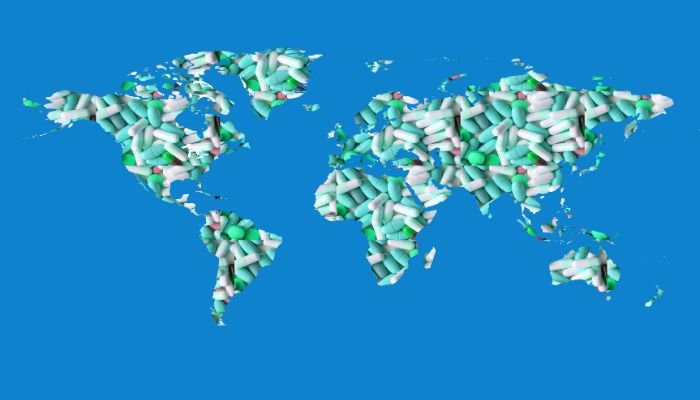
The global pharmaceutical markets is characterized by its significant contributions to public health, the economy, and technological advancements. However, it also faces numerous regulatory challenges that can impede its growth and innovation. These challenges arise from the complex, often fragmented, regulatory environments across different countries and regions. Understanding these challenges is crucial for global pharmaceutical  markets companies aiming to navigate the global market effectively.

Diverse Regulatory Requirements
Global Pharmaceutical Market, regulatory challenges

One of the primary challenges in the global pharmaceutical markets is the diversity of regulatory requirements. Each country has its own set of regulations governing the approval, marketing, and distribution of  pharmaceutical markets  products. These regulations can vary significantly, making it difficult for companies to develop a unified strategy for product launches.

Examples:

– FDA (United States): Requires comprehensive clinical trial data, including diverse demographic representation.

– EMA (European Union): Emphasizes a centralized procedure for  global pharmaceutical markets authorization but also allows national-level procedures.

– PMDA (Japan):Focuses on rigorous post-market surveillance and local clinical data requirements.

Regulatory Harmonization
Global Pharmaceutical Market, regulatory challenges

Efforts to harmonize regulatory standards, such as the International Council for Harmonization of Technical Requirements for global Pharmaceutical   markets   for Human Use (ICH), have made progress but are still far from achieving global uniformity. The varying pace of adoption of ICH guidelines among member countries adds to the complexity.

 Challenges:

– Inconsistent Adoption: Some countries adopt ICH guidelines more slowly or partially, leading to discrepancies.

– Local Adaptations: Countries might adapt international guidelines to fit local contexts, creating variations.

Approval Timelines

The time required to obtain regulatory approval can vary widely, impacting the speed at which new drugs can reach the market. Lengthy approval processes can delay access to potentially life-saving medications and affect the commercial viability of global pharmaceutical markets companies.

Factors Affecting Timelines:

Regulatory Capacity: Some countries have fewer resources dedicated to regulatory review, leading to longer timelines.

Complexity of Review: Advanced therapies such as biologics and gene therapies often require more complex and lengthy reviews.

Post-Market Surveillance

Post-market surveillance (PMS) is critical for ensuring the ongoing safety and efficacy of global markets of pharmaceutical. However, the requirements for PMS can differ significantly across countries, presenting challenges in monitoring and reporting adverse events consistently.

Key Aspects:

Data Collection and Reporting: Different countries have varying standards for the types and frequency of data required.

Regulatory Responses: Actions taken in response to adverse events can vary, influencing the global markets presence of products.

KIITS Pharmacy College in Dehradun stands out as the Best B.Pharma College in Dehradun, offering exceptional education and training. With state-of-the-art facilities and experienced faculty, we prepare future pharmacists for successful careers. Join us for an unparalleled academic journey.

Intellectual Property and Generic Drugs
Global Pharmaceutical Market, regulatory challenges

Intellectual property (IP) protection is crucial for encouraging innovation in the  pharmaceutical markets. However, the balance between protecting IP and promoting the availability of generic drugs is a contentious issue. Different countries have varying laws regarding IP, patents, and data exclusivity.

Issues:

Patent Cliff : The expiration of patents can lead to a significant loss of revenue for original drug manufacturers.

Compulsory Licensing : Some countries may issue compulsory licenses for generic production of patented drugs to ensure affordability and accessibility.

Market Access and Pricing

Regulatory policies around market access and drug pricing can vary, affecting how pharmaceutical markets  products are priced and reimbursed. Negotiations with national health systems and insurance providers can be complex and time-consuming.

Considerations:

Price Controls : Some countries implement strict price controls to manage healthcare costs.

Reimbursement Policies: The criteria for reimbursement can differ, impacting market access.

Compliance and Inspections

Ensuring compliance with Good Manufacturing Practices (GMP) and undergoing regular inspections are critical for maintaining product quality and safety. Different regulatory bodies have their own inspection protocols and compliance requirements.

Examples:

FDA Inspections: Known for their thorough and rigorous inspections.

EMA Audits: Focus on harmonized inspections across EU member states but may have varying local interpretations.

Global Supply Chain Management

The global pharmaceutical markets supply chain for pharmaceuticals is complex and can be affected by various regulatory requirements related to import/export controls, quality standards, and logistics.

Challenges:

Supply Chain Security: Ensuring the integrity and security of the supply chain across multiple countries.

Regulatory Coordination: Coordinating regulatory requirements across different jurisdictions for raw materials and finished products.

Conclusion

Navigating the regulatory challenges in the global pharmaceutical markets requires a strategic approach that includes understanding diverse regulatory landscapes, harmonizing standards where possible, and ensuring compliance with varying requirements.  Pharmaceutical markets companies must stay abreast of regulatory changes and work collaboratively with international regulatory bodies to streamline processes and promote global health. Despite the complexities, addressing these challenges is essential for the successful development and distribution of global pharmaceutical  worldwide.

 FAQs

Q1: What are the main regulatory challenges faced by the global pharmaceutical markets ?

A1: The main regulatory challenges include diverse regulatory requirements across countries, inconsistent adoption of harmonized guidelines, varying approval timelines, different post-market surveillance standards, intellectual property issues, market access and pricing variations, compliance and inspection protocols.

Q2: How do diverse regulatory requirements impact pharmaceutical companies?

A2: Different countries have unique regulations for drug approval, marketing, and distribution. This diversity makes it difficult for companies to develop a unified strategy for product launches, leading to increased costs and complexity in compliance.

Q3: What efforts are being made to harmonize regulatory standards globally?

A3: Organizations like the International Council for Harmonization of Technical Requirements for Pharmaceuticals for Human Use (ICH) work towards harmonizing standards. However, the inconsistent adoption and local adaptations of these guidelines add complexity to global harmonization efforts.

Q4: Why do approval timelines vary across countries?

A4: Approval timelines vary due to differences in regulatory capacity, resources dedicated to regulatory review, and the complexity of the review process, especially for advanced therapies like biologics and gene therapies.

Q5: What challenges exist in post-market surveillance (PMS)?

A5: PMS requirements differ significantly across countries, complicating consistent monitoring and reporting of adverse events. Variations in data collection standards and regulatory responses to adverse events add to the complexity.

Q6: How do intellectual property and generic drug regulations differ globally?

A6: Intellectual property (IP) protection laws vary, affecting patent durations and data exclusivity. Issues like the patent cliff and compulsory licensing for generics create challenges in balancing innovation incentives and drug affordability.

Important Links

More Posts

Can You Pursue B Pharma Without NEET?

Can You Pursue B Pharma Without NEET? Explained

If you are a science student who did not appear for the NEET exam or did not perform as expected, you might be thinking to yourself: 

Can we do B Pharma without NEET?

Well, the answer is: Yes, you absolutely can!

But, of course, there’s more to it than just a simple yes or no. There are admission processes, eligibility criteria, entrance exams and career opportunities – all of these matter before you make a decision.

So let’s sit down and clear the confusion properly.

What Is B Pharma?

Bachelor of Pharmacy (B Pharma) is a 4-year undergraduate degree program focused on:

  • Pharmaceutical sciences
  • Drug formulation
  • Medicinal chemistry
  • Pharmacology
  • Human anatomy & physiology
  • Clinical research

It prepares students for careers in the pharmaceutical industry, the healthcare sector, research labs, regulatory bodies and even entrepreneurship.

Unlike MBBS, BDS or other medical programs, B Pharma is not a medical doctor course. That is where most of the confusion about NEET begins

Is NEET Required for B Pharma?

Let’s address the core question directly:

B Pharma without NEET is possible in India.

NEET (National Eligibility cum Entrance Test) is mandatory for:

  • MBBS
  • BDS
  • AYUSH courses
  • Veterinary sciences

However, NEET is not compulsory for B Pharma in most states and universities.

This means students can pursue B Pharma without NEET through:

  • State-level entrance exams
  • University-level entrance exams
  • Direct admission based on 12th marks

So if you are worried because you did not appear for NEET then don’t worry as you still have strong options available.

Eligibility Criteria for B Pharma

To apply for B Pharma, most colleges require:

  • 10+2 (Science stream) from a recognised board
  • Physics and Chemistry as compulsory subjects
  • Mathematics or Biology as an additional subject
  • Minimum 45–50% aggregate (varies by institution)

Notice something important here?

There is no mandatory NEET requirement mentioned in the standard eligibility criteria for most institutions offering B Pharma.

How Admission Works Without NEET

Let’s understand the common admission pathways.

1. Merit-Based Admission

Many private and state universities offer admission based on:

  • 12th board exam marks
  • Percentage in PCB/PCM

This is the most common route for students pursuing B Pharma without NEET.

2. National-Level & State-Level Entrance Exams

Some states conduct pharmacy-specific entrance exams.

Examples include:

  • CUET-UG (All India)
  • UKSEE (Uttarakhand)
  • UPSEE (Uttar Pradesh; now CUET-based in many cases)
  • MHT-CET (Maharashtra)
  • KCET (Karnataka)

These are not NEET-based admissions but separate state-level entrance systems.

3. University-Level Entrance Exams

Some private universities conduct their own entrance exams for pharmacy programs.

These are independent of NEET and focus on science aptitude.

Why Do Students Confuse B Pharma With NEET?

The confusion usually happens because:

  • Both MBBS and B Pharma fall under the healthcare field
  • Biology is often a required subject
  • Parents assume all health-related courses require NEET

But in reality, pharmacy and medicine are two distinct career paths.

Career Opportunities After B Pharma

Now here’s the bigger question:

What kind of career can you build for yourself if you opt for B Pharma without NEET?

Well, the answer to this is a very promising one!

Truth is, the pharmaceutical industry in India ranks amongst the fastest-growing industries in the world and thus offers tremendous job potential.

Career options after B Pharma include:

  • Pharmacist
  • Drug Inspector
  • Clinical Research Associate
  • Medical Representative
  • Quality Control Analyst
  • Production Officer
  • Regulatory Affairs Executive
  • Pharmaceutical Marketing

You can also pursue higher education, such as:

  • M Pharma
  • MBA in Pharmaceutical Management
  • Pharm D
  • Research-based careers

B Pharma vs MBBS: A Quick Comparison

Aspect

B Pharma

MBBS

Duration

4 years

5.5 years

NEET Required

No (in most cases)

Yes

Focus

Medicines & drug development

Diagnosis & treatment

Career Path

Pharma industry, research

Medical practice

This comparison shows that pharmacy is a completely independent professional stream.

Is B Pharma a Good Option Without NEET?

Absolutely! Especially if your interest lies in:

  • Medicine formulation
  • Drug research
  • Pharmaceutical business
  • Healthcare systems
  • Clinical trials

If your dream is to treat patients directly as a doctor, an MBBS may be your path.

But if you are interested in the science behind medicines, how they are made, tested, regulated and marketed then B Pharma is a solid and respected option.

Advantages of Pursuing B Pharma

Here’s why many students confidently choose this route:

  • No high-pressure NEET competition
  • Early entry into a professional field
  • Diverse career pathways
  • Great industry demand
  • Opportunity to move into research and global pharma markets

Also, pharmacy graduates can later pursue international licensing exams and work abroad.

Things to Check Before Taking Admission

Before enrolling in any B Pharma college in Dehradun, make sure:

  • The college is approved by PCI (Pharmacy Council of India)
  • The infrastructure includes labs and practical exposure
  • Faculty members are experienced
  • Placement support is available
  • Industry training opportunities are provided

Remember, choosing the right college matters just as much as choosing the right course.

Final Thoughts

If you did not appear for the NEET exam or did not obtain the desired marks, do not worry.

Your journey does not end here.

There are many career options in the field of healthcare apart from MBBS. Pharmacy is one of the most promising, stable and rewarding careers of the present age.

Colleges like KIITS provide the best pharmacy courses with proper academic training along with practical exposure. Thus a student who wants to pursue B Pharma without an NEET exam can build a successful future for themselves.

So if pharmacy excites you then it’s about time you take the step with clarity and confidence.

FAQs

Can we do B Pharma without NEET in government colleges?

Yes, it is possible to do B Pharma without NEET in government colleges by means of state-level entrance exams or merit-based admissions.

Is NEET compulsory for B Pharma in the future?

Currently, it is not mandatory to appear for NEET for B Pharma admission in most parts of India.

Is B Pharma easier than MBBS?

Both courses are different in their own ways. B Pharma focuses heavily on chemistry and pharmaceutical sciences, while MBBS focuses on clinical studies and patient care.

Direct Admission in B Pharma: Myths vs Reality

Direct Admission in B Pharma: Myths vs Reality

Many students who complete their 12th with Science start to explore professional courses in the Healthcare and Pharmaceutical sector. Among all the professional courses in the pharmaceutical sector, one of the most popular professional courses in today’s world is the Bachelor of Pharmacy (B Pharma) course. But during the admission into the course, students and parents hear about “Direct Admission in B Pharma” and become confused.

Some believe that direct admission means admission without merit, while some believe that it is not valid or not recognised. Such assumptions have created confusion in the minds of students who are genuinely interested in pursuing a career in Pharmacy.

So on that note, today in this blog, we will discuss the real facts, common misconceptions and practical insights around direct admission in B Pharma so that students can make informed decisions concerning their future.

Understanding What B Pharma Is

Before we go into the admissions part, it is essential that we know what the program actually offers.

B Pharma is an undergraduate program that requires four years of study, focusing on pharmaceutical sciences. The subjects covered include:

  • Pharmacology
  • Pharmaceutical Chemistry
  • Human Anatomy and Physiology
  • Drug Formulation
  • Pharmaceutics
  • Pharmaceutical Analysis

In the program, one learns about how medicines are developed, tested, manufactured and distributed.

With the growing pharmaceutical industry in India and worldwide, there is a bright scope for pharmacy graduates in research, production, quality control and healthcare.

Now that we know what the program offers, let’s move on to the most important part: how the admissions actually work.

What Does Direct Admission in B Pharma Mean?


The term
direct admission in B Pharma simply means the admission process by which students are admitted on the basis of their class 12th merit and not on the basis of any entrance exam.

In most colleges, especially for private colleges or universities, admission is offered on the basis of:

  • Class 12th merit selection
  • Institutional entrance examinations
  • Counselling
  • Seat availability

This, in no way, refers to the fact that the admission process is unfair or that it is not legitimate. It simply refers to the fact that the college is admitting students on the basis of their academic background and eligibility criteria.

However, because the term “direct admission” is often misunderstood, a number of myths surround it.

Now, let’s find out the reality behind the myths!

Common Myths About Direct Admission in B Pharma


Myth 1: Direct Admission Means No Eligibility Criteria


Many students assume that if a college offers
direct admission in B Pharma, anyone can join the program regardless of their academic background.

Reality

Colleges still follow standard eligibility requirements. Students usually must have:

  • Completed 10+2 with Physics and Chemistry
  • Studied Mathematics or Biology as an additional subject
  • Achieved a minimum percentage of qualifying marks which is mostly 45-50%

So even with direct admission, academic eligibility remains mandatory.


Myth 2: Direct Admission Is Not Recognised


Another common misconception about direct admission is that a degree obtained after such admission is not recognised.

Reality

If the college is recognised by the Pharmacy Council of India and is affiliated with a recognised university then it is a completely legitimate course.

Recognition of a course depends on institutional accreditation and has nothing to do with whether it is an entrance exam or merit-based admission.


Myth 3: Students Who Take Direct Admission Are Academically Weak


There is a common perception that students seeking direct admission are not academically strong.

Reality

This is far from true.

Many capable students choose direct admission because:

  • They want to avoid multiple competitive exams
  • They prefer faster admission processes
  • They have already decided on pharmacy as their career path
Myth 4: Direct Admission Means Lower Career Opportunities


Another myth suggests that students admitted directly may face fewer career opportunities.

Reality

Employers rarely focus on the admission method. Instead, they look at:

  • Academic performance
  • Practical skills
  • Internship experience
  • Communication and industry knowledge

In fact, students who focus on practical training and industry exposure often perform exceptionally well after graduation.

Facts About B Pharma Admission


Now that we have discussed myths, let’s move on to some important
facts about B Pharma admission that every student should be aware of.

  • B Pharma is generally a four-year undergraduate course
  • The students must belong to a PCB or a PCM group
  • The admission process is usually conducted on the basis of entrance exams or merit
  • Practical training and laboratory work are essential parts of the program
  • B Pharma can provide students with jobs in pharmaceutical companies, research and health care

Understanding these facts helps students approach the admission process with clarity & confidence.

How the Admission Process Usually Works


Although the exact process varies by institution, the general admission steps often include:

  1. Application Submission
    Students fill out the admission form online or offline.
  2. Academic Verification
    Colleges verify 12th-grade marks and eligibility criteria.
  3. Counselling or Interview
    Some institutions conduct a counselling session to guide students.
  4. Seat Allocation
    Admission is confirmed based on merit, availability and eligibility.
  5. Document Verification & Tuition Fee Submission
    Students submit the required academic documents and tuition fee before final enrollment.

This structured process ensures transparency even when direct admission in B Pharma is offered.

Career Opportunities After B Pharma


Students often worry about career prospects after choosing pharmacy. Fortunately, the field offers multiple career paths such as:

  • Pharmacist
  • Drug Inspector
  • Clinical Research Associate
  • Pharmaceutical Sales Manager
  • Quality Control Analyst
  • Production Executive
  • Regulatory Affairs Specialist

Students can also pursue higher education such as:

  • M Pharma
  • Pharm D
  • MBA in Pharmaceutical Management

These programs further expand career opportunities in research, healthcare and management.

What to Look for in a Pharmacy College when Seeking Direct Admissions


While admission methods may vary, one factor remains crucial and that is the quality of the institution.

Hence, students should always check:

  • Accreditation and approvals of the college/university
  • Laboratory infrastructure offered at the college
  • Experience of the faculty
  • Internship opportunities offered by the college/university
  • Industry exposure offered by the college/university

Final Thoughts

The debate on direct admission in B Pharma sometimes becomes confusing because of all the misinformation and assumptions surrounding it. However, in reality, direct admission is just another mode of admission through which eligible students can apply for a pharmacy program.

For students interested in exploring the option of direct admission in B Pharma, the right academic institution can indeed prove to be the difference in the student’s academic as well as professional journey.

One such institution that offers direct admission to students interested in the field of pharmacy studies is KIITS College in Dehradun. With experienced faculty, modern laboratory facilities and an industry-focused academic curriculum, the college helps students to develop a strong foundation in the field of pharmaceutical studies.

Scroll to Top