
The Benefits of B Pharma Course at KIITS College

Benefits of B pharma

The Benefits of Pursuing B.Pharma at KIITS College

In this way, having the understanding of the benefits of B Pharma at KIITS College is of great importance.

Thus, pharmacy is an extending professional area in the field of healthcare that can provide interesting and meaningful occupation for a person. If you are in a position where you are thinking about preparing for Bachelors of Pharmacy (B. Are you a student with a keen interest in a B. Pharma degree and searching for a fine B. Pharma College in Dehradun? Your focus should be KIITS. This blog is a continuation of the article which focuses on exploring an enormous number of benefits that come from obtaining the B. Pharma degree at KIITS and preparing for a challenging future in the sphere of pharmacy.

Benefits of  B Pharma Degree

Before knowing the advantages of KIITS, let’s know about the opportunities which open up just after getting a B. Pharma degree. Pharmacy practitioners have a critical role in the healthcare sector This group of health care providers is essential in the health system. Pharmacists build a middle link between laboratory science and patient treatment through practicing the rational and secure utilization of medications.  B. Pharma equips you with the knowledge and skills to:

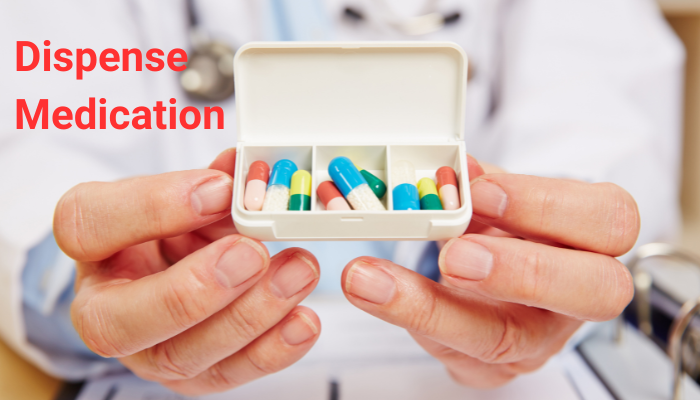
Dispense medications
benefits of b pharma

You will gain ability of being able to provide the right medication proportion to the right patient and explain side effects to them.

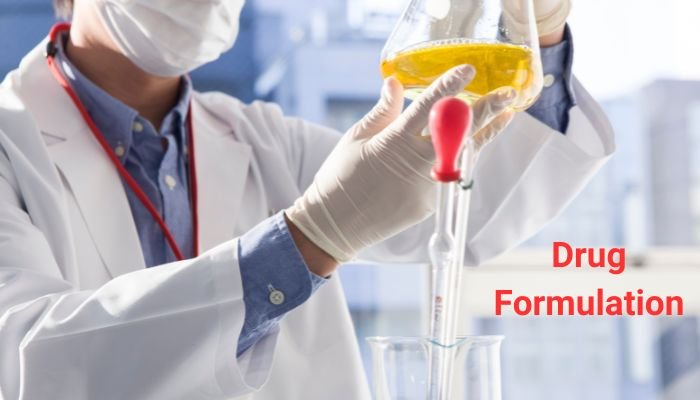
Drug formulation and development
benefits of b pharma

The course explains how the formulation of drug occurs, might serve as the backbone in encouraging you to engage in research to develop new drugs.

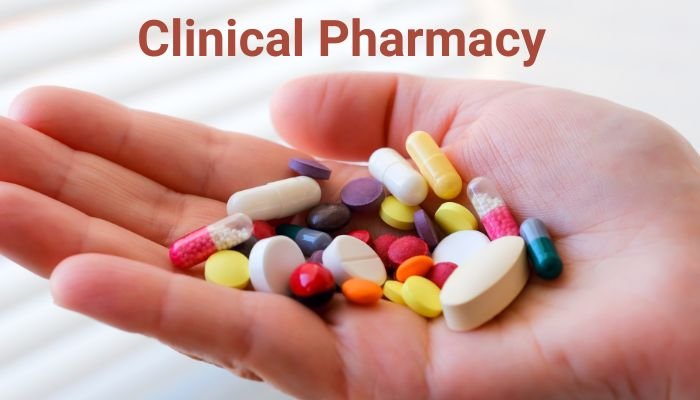
Clinical pharmacy
Benefits of B pharma

Discover the specifics of the pharmacy, gaining knowledge of how various therapies and drugs can combine and affect patients with certain diseases.

Pharmacy Management

Benefits of B,pharma

The ability acquired from this path will enable you to lead the operation of a pharmacy and legal requirements.

Benefits of B.Pharma at KIITS

Let us now look at some of the specific privileges that KIITS has for anyone pursing a B.Pharma course in Dehradun.

1.Renowned Faculty and Industry Collaboration

This is because most of them have an experience from practical field thus making sure that, from their curriculum you are facilitated with practical knowledge and connections to link you up for your future career opportunities. The faculty members who have several years of industry experience come up with courses that are up-to-date with the current trends(one of the main benefits of  B Pharma at kiits) Consequently, students get exposed to practical knowledge as well as cultivate industry relationships that will be useful in their future careers.

2.Cutting-Edge Infrastructure and Laboratories

KIITS has modernized infrastructure together with well-equipped laboratories. This makes it possible for students to use modern equipments thereby giving them knowledge about various aspects in pharmaceutical science. Such hands-on experience will help you understand better what is required of a pharmacist.

3.Comprehensive Curriculum and Specialization Options

Furthermore, KIITS (Best Pharmacy College in Dehradun) might provide some specialization alternatives within these areas of study earlier mentioned. The B.Pharma program at KIITS offers a comprehensive curriculum consisting all core areas of pharmaceutical sciences including pharmaceutics, pharmacology, pharmacognosy, pharmaceutical chemistry among others.

4.Firmly Focused on Research and Innovation

KIITS pharmacy school in Dehradun promotes a culture of research and innovation. This might include opportunities to get involved in ongoing research projects with lecturers or access specialized research facilities. Engaging in research will enable you to develop critical thinking skills, gain invaluable experience, as well as potentially contributing to the pharmaceutical science advancements.

5.Professional Advancement and Job Placement Support

KIITS appreciates the need for career readiness. These can involve dedicated career services such as resume writing workshops, mock interviews or industry networking events. The all-rounded approach ensures that you are prepared adequately for job hunting and eventually landing into a fulfilling career in pharmacy.

6.Dynamic Campus Culture and Co-curricular Engagement

KIITS goes beyond academics in creating an active campus life. While there you may participate in extracurricular activities; become a member of students clubs or organizations, meet people who think like you do. Through this holistic environment one grows personally, develops leadership qualities and makes lifelong friends.

7. Dependent Location and Opportunities Rebate

Definitely Dehradun is best to be if you are up for an academic purpose as this place have beautiful environment and peace at its atmosphere located at the Himalayan foothills. Thus besides the scenic spot, Dehradun also serves as a brigade of healthcare institutions and pharmaceutical companies. That way, not only will you get some internship opportunities which are extremely important in your course but you’ll also have run into a few industry players who could ensure it he remaining part of the journey is smooth sailing.

FAQs


Q.1) Is B. Pharm at KIITS recognized by the regulatory bodies?

Ans) Yes, B. Pharm at KIITS is approved by regulatory bodies such as Pharmacy Council of India(PCI) and All India Council for Technical Education(AICTE)

Q.2) What makes KIITS stand different from other B.Pharma colleges in Dehradun?

Ans) KIITS is distinct from other B.Pharma colleges due to the industry-aligned curriculum, state of the art infrastructure and robust placement support  provided.

Q.3) Do the scholarships are provided to B. Pharm students at KIITS?

Ans)Yes, KIITS provide scholarships to meritorious students with strong academic records and needy students.

Ans:-4)Yes All the students are advised to engage themselves into extra curricular at KIITS.

Ans)Absolutely! Ans) Yup! Apart from this, KIITS is big on motivating students to take part in various other activities like sports, cultural agenda and community work.

Q.5) Career Opportunities for B. Pharm graduates after completion of B.Pharm from KIITS?

Ans) Graduates of Pharm from KIITS are adapted to pursue a variety of career options within the pharmaceutical business, starting from production and analysis-stage roles to promoting and regulative job within the field.

Q.6) Does KIITS offer hostel facilities for outstation students?

Ans) Yes, KIITS provides excellent and comfortable hostel facilities where outstation students can stay safely and have the best conducive atmosphere to study.

Q.7) Does the course fees of B Pharma in government and private colleges differ?

Ans) Yes, B Pharma course fees can vary from government to private colleges OH! Okay tweeted (July 1) :um, just a simple tip.. government colleges always have cheaper tuition fee compared to private college.

In conclusion, KIITS- Your stepping stone to a rewarding pharmacy career.

Looking for B.Pharma College in Dehradun? KIITS is one of the best alternatives! This, along with its distinguished faculty, state-of-the-art infrastructure, well-planned campus and comprehensive curriculum prepares you not just to enter the world of pharmacy but assures that they will leave it armed with everything offered at KIITS.

Important Links

More Posts

Pharmacy Jobs in Gulf Countries for Indian Pharmacists

Pharmacy Jobs in Gulf Countries: How Indian Pharmacists Can Work Abroad

For pharmacy graduates in India, the Gulf has always been one of the most talked-about destinations for building an international career. And for good reason. The healthcare sectors in countries like the UAE, Saudi Arabia, Qatar, Kuwait, Bahrain and Oman have been expanding rapidly and the demand for qualified pharmacists particularly from India has stayed consistently high for years.

Pharmacy jobs in Gulf countries are not just an aspiration. They are a realistic, achievable goal for Indian pharmacists who have the right qualifications, understand the licensing process and prepare themselves properly for the international job market.

Thus this blog gives you a clear, honest picture of what working as a pharmacist in the Gulf looks like along with the opportunities, the requirements, the process and what to realistically expect.

Why the Gulf Needs Indian Pharmacists

The Gulf Cooperation Council (GCC) countries have invested heavily in building world-class healthcare infrastructure over the last two decades. New hospitals, speciality clinics, diagnostic chains and retail pharmacy networks have expanded across the region at a pace that local talent supply hasn’t been able to keep up with.

Indian pharmacists fit this gap well for several reasons. India produces a large number of pharmacy graduates annually — many of them from programs that cover the same internationally recognised pharmacological knowledge base. English proficiency is generally strong. And Indian professionals have a long history of working successfully in the Gulf which means employers are familiar and comfortable with Indian credentials and work ethic.

The result is a consistent and genuine demand for Indian pharmacy professionals across all six GCC countries, at multiple levels — from retail pharmacists and hospital pharmacists to clinical pharmacists and pharmacy managers.

Countries and Opportunities at a Glance

UAE (Dubai & Abu Dhabi) is the most popular choice of destination for Indian pharmacists. The health care industry in this location is very big, highly funded and internationally recognized. Pharmacist jobs in Dubai are offered by both the private hospital chains such as Aster Group, Mediclinic and Cleveland Clinic Abu Dhabi and by retail pharmacy chains like Aster Pharmacy, Life Pharmacy and Boots. Salaries offered to pharmacists in the UAE are between AED 5,000 — AED 15,000 per month (₹1.1 to ₹3.3 lakhs).

Saudi Arabia has the largest healthcare market in the GCC region. Under the Vision 2030 initiative, the country has been developing its hospital chain. The employers are government hospitals, private hospitals and large retail pharmacy chains. Some of the employers include King Faisal Specialist Hospital, Saudi German Hospital and many MOH Hospitals.

Other Gulf countries like Qatar, Kuwait, Oman and Bahrain also have openings for pharmacists mainly in government hospitals and the rising private health sector. Qatar’s healthcare push ahead of and following the 2022 World Cup has created additional momentum in this space.

Requirements for Qualification and Licensing

This is where preparation matters most. Gulf countries have specific requirements for foreign-trained pharmacists and meeting them takes planning.

The general requirements across GCC countries include:

  • A recognised pharmacy degree — B.Pharma or equivalent from an institution recognised by the relevant Gulf health authority
  • Registration as a pharmacist with the Pharmacy Council of India (or equivalent state body)
  • Dataflow verification — a credential authentication process that verifies your educational and professional documents. This is mandatory in most GCC countries and is done through the Dataflow Group
  • Licensing examination in the destination country — most Gulf countries require foreign pharmacists to pass a local licensing or prometric exam before they can practice

In the case of the UAE, a pharmacist must register with Dubai Health Authority (DHA), the Health Authority Abu Dhabi (HAAD/DOH) or the Ministry of Health (MOH) depending on where he/she is going to work. There are separate exams and registrations required for each.

As far as Saudi Arabia goes, licensing and registration of pharmacists is done by the Saudi Commission for Health Specialties (SCFHS) and they require successful completion of the Saudi Licensing Examination for Healthcare Practitioners (SLEHA).

It is not a quick process and usually takes three to six months but it can be done and many Indian pharmacists have done it before.

Salary and Benefits — What to Realistically Expect

The one area that makes a pharmacy career abroad in the Gulf highly attractive is the pay which is substantially higher than other jobs available in India, along with several added perks.

  • Fresh graduates could get up to AED 4,000 to 7,000 in UAE (around ₹90,000 to ₹1.55 lakhs)
  • Mid-level pharmacists with 3-5 years’ experience could get up to AED 8,000 to AED 12,000 (around ₹1.75 to ₹2.65 lakhs)
  • Senior/clinical pharmacist could get up to AED 12,000 to 20,000 or more

Apart from the salary, other perks include accommodation facilities provided by employers in Gulf countries at no cost, health insurance, return flight tickets to India and an end-of-service gratuity. The tax-free salary system followed in most Gulf Cooperation Council countries ensures a higher actual salary than the corresponding figure in India.

How to Find and Apply for Pharmacy Jobs in the Gulf

Pharmacy jobs in Gulf countries are actively advertised through platforms such as LinkedIn, Bayt, GulfTalent, Naukrigulf or even through the career pages of leading hospital organisations. Another good way to get a placement is through recruitment agencies that specialise in placing candidates in Gulf hospitals, since most recruitment agencies already have established connections with hospital networks across the GCC.

Some useful tips that will help you increase your chances considerably:

  • Have all your paperwork ready in advance — Degree certificates, registration certificates, work experience letters, passports and pictures are all required documentation
  • Get your Dataflow verification initiated early — it’s time-consuming and delays in this step delay everything else
  • Prepare for the prometric or licensing exam of your target country — study guides and preparation resources are available online
  • Build a clear, concise resume that highlights clinical experience, software skills (pharmacy management systems) and any specialised training

What Life as an Indian Pharmacist in the Gulf Looks Like

Most Indian pharmacists in the Gulf work in well-structured environments — whether in hospital pharmacies with defined shift patterns or in retail pharmacy settings with clear operational standards. The work culture in corporate and government healthcare settings across the Gulf is professional and regulated.

The Indian community in Gulf countries is large and well-established which makes the adjustment to living abroad significantly easier than it would be in many other international destinations. Access to Indian food, cultural events and community networks is good across most major Gulf cities.

Conclusion

The Gulf represents one of the most accessible and genuinely rewarding international career paths for Indian pharmacy graduates. The demand is real, the process is defined and the financial rewards are great. What it requires is the right qualification, the discipline to complete the licensing process and the confidence to step into an international work environment.

All of that starts with the quality of pharmacy education a graduate receives at home. KIITS has been building pharmacy professionals since 2002 and the B.Pharma and D.Pharma programs here are designed with exactly this in mind — not just domestic employment but the kind of thorough, internationally relevant pharmaceutical education that opens doors globally.

Affiliated with the Pharmacy Council of India, Uttarakhand Technical University and H.N.B. Uttarakhand Medical Education University, KIITS (Kingston Imperial Institute of Technology and Sciences) provides the academic foundation and practical training that Gulf licensing authorities recognise and respect. The hands-on laboratory exposure, experienced faculty and strong grounding in pharmacology and clinical pharmacy practice that students receive here are the same qualities that international employers look for when hiring from India.

If a pharmacy career abroad is part of your plan, building that plan on a strong foundation is the first step. And at KIITS, that foundation is laid with genuine care and professional purpose.

How to Open a Medical Store After D.Pharma: License, Cost & Full Process

How to Open a Medical Store After D.Pharma: License, Cost & Full Process

One of the most appealing things about doing a D.Pharma is that it doesn’t just prepare you for employment — it prepares you to build something of your own. And for many D.Pharma graduates, opening a medical store is exactly the direction they choose to go.

It’s a practical, financially viable and professionally respected path. A well-run medical store in a decent location generates steady income, serves a genuine community need and gives the owner a level of professional independence that a salaried job rarely offers. But getting there involves a defined process — registrations, licenses, costs and compliance requirements that you need to understand clearly before you begin.

This blog walks you through the full process of opening a medical store after D.Pharma in a way that’s easy to follow and honest about what’s actually involved.

Why D.Pharma Is the Minimum Qualification Required

The Drugs and Cosmetics Act, 1940 is one of the major laws that control the sale of drugs in India and as per its requirement, all retail pharmacies have to be headed by a registered pharmacist. A person who holds a D.Pharma (Diploma in Pharmacy) degree and is registered with the State Pharmacy Council can be considered as a registered pharmacist and thus becomes eligible for opening a retail medical store.

The key point is that without having this qualification and the registration that follows it, you will not be able to get the drug license at all. So basically, the D.Pharma is not just an educational credential — it’s the legal foundation on which your entire pharmacy business stands.

Step-by-Step Process to Open a Medical Store

Step 1 — Register with the State Pharmacy Council

As a first step after the completion of the D.Pharma course, you must get registered as a pharmacist with the Pharmacy Council of the state. For this purpose, you would require D.Pharma mark sheet and certificates, identification and address proof, a passport-sized photograph and the requisite registration fees. The council will issue you a Registration Certificate with a unique registration number. This number is mandatory for applying for the drug license.

Step 2 — Choose and Secure Your Location

Location matters enormously for a medical store. High footfall areas near hospitals, clinics, residential colonies and busy market areas work best. Before finalising, check that the space meets the regulatory requirements — a minimum area of 10 square metres for a retail drug license and proper storage conditions including temperature control, ventilation and refrigeration for certain medicines.

Step 3 — Obtain a Drug License

This is the most critical step in the pharmacy license process. Drug licenses in India are issued by the State Drug Control Authority. There are two types relevant to a retail medical store:

  • Form 20 — License to sell drugs other than Schedule X drugs
  • Form 21 — License to sell Schedule H and other prescription-only drugs

Most medical stores apply for both together. The application is submitted to the State Drug Licensing Authority along with the following documents:

  • Completed application forms (Form 19 for retail)
  • Pharmacist Registration Certificate
  • Proof of ownership or lease agreement for the premises
  • Site plan of the premises
  • Affidavit of the qualified pharmacist
  • Constitution of the firm (partnership deed or proprietorship declaration)
  • Challan receipt of license fees paid

A drug inspector will visit the premises to verify that it meets the required standards before the license is issued. The process typically takes four to eight weeks depending on the state.

Step 4 — Business Registration

Register your medical store as a business entity. Most small medical stores operate as a sole proprietorship which is the simplest and least costly structure. You’ll need a GST registration (mandatory for medical stores), a trade license from your local municipal authority and if you’re hiring staff, Professional Tax registration in applicable states.

Step 5 — Stock Your Store

Once the drug license is in hand, you can begin procuring medicines from licensed distributors and wholesalers. Build relationships with two or three reliable distributors who can supply consistently and at competitive margins. Most distributors offer credit terms which helps manage cash flow in the early months.

What Does It Cost to Open a Medical Store?

This is perhaps the first question which an aspiring pharmacy owner asks but the answer differs according to the geographical location and scale of operation. Here is a practical cost estimate of starting up a conventional retail medical shop:

  • Drug license fees could cost ₹3,000 to ₹10,000 depending on the state
  • Shop rental deposit and advance could cost ₹20,000 to ₹1,00,000 depending on location
  • Interior setup and storage racks could cost ₹50,000 to ₹1,50,000
  • Refrigerator for cold-chain medicines could cost ₹15,000 to ₹30,000
  • Initial medicine stock could cost ₹2,00,000 to ₹5,00,000
  • Billing software and computer could cost ₹20,000 to ₹50,000
  • Miscellaneous registrations and legal fees could cost ₹10,000 to ₹25,000

A modest but properly set-up medical store can be launched with a total investment of approximately ₹3 to ₹6 lakhs in a smaller town or semi-urban area. In larger cities, the investment is higher primarily due to rental costs.

How Much Profit Can a Retail Medical Store Make?

A well-managed retail medical store earns net monthly profits of ₹40,000 to ₹1,50,000, depending upon sales and location. The margins on medicines are generally about 10% to 20% on branded medicines and much higher on generic medicines.

The business scales well over time. As the store builds a regular customer base and relationships with nearby clinics and doctors, both volume and predictability of income improve. Many pharmacy owners expand to a second location within three to five years of establishing a profitable first store.

Other D.Pharma Career Options Alongside Entrepreneurship

It’s worth noting that opening a medical store is just one among several strong D.Pharma career options. Graduates also work as:

  • Hospital pharmacists in government and private hospitals
  • Medical representatives with pharmaceutical companies
  • Assistants in clinical research organisations
  • Supervisors in pharmaceutical manufacturing units

But for those who want to build something independently and have the location, the capital and the drive to manage a business, a medical store remains one of the clearest and most rewarding paths that a D.Pharma opens up.

Conclusion

Opening a medical store after D.Pharma is absolutely achievable but it requires the right qualification, a clear understanding of the licensing process, careful financial planning and the patience to navigate the regulatory steps properly. The process is not complicated once you understand it and the outcome — a self-owned, professionally run pharmacy — is one of the most satisfying things a D.Pharma graduate can build.

The foundation of all of it, though, is the D.Pharma itself. The quality of education you receive during those two years — how well you understand pharmacology, drug interactions, storage protocols and dispensing practices — directly affects how competently you run a pharmacy later.

This is where KIITSKingston Imperial Institute of Technology and Sciences in Dehradun comes in. As one of the most trusted names in pharmacy education in Uttarakhand since 2002, KIITS offers a D.Pharma course in Dehradun that is designed to prepare students for real-world pharmaceutical practice — not just examinations. Affiliated with the Pharmacy Council of India, Uttarakhand Technical University and the Uttarakhand Board of Technical Education, KIITS combines strong academic training with hands-on laboratory experience and guidance from faculty who understand both the science and the industry.

Whether your goal after D.Pharma is to open your own medical store, join a hospital pharmacy or step into the pharmaceutical industry — the right starting point is a course that builds genuine competence. And at KIITS, that’s exactly what the D.Pharma program is built to deliver

Scroll to Top