


Student Life at Pharmacy Colleges in Dehradun: Experiences and Insights

pharmacy college in Dehradun

Dehradun, the capital city of Uttarakhand, has emerged as a prominent hub for higher education in India. Among the various academic disciplines, pharmacy education has gained significant popularity due to its critical role in the healthcare industry. Pharmacy colleges in Dehradun offer a unique blend of academic rigor, practical training, and vibrant student life. This article explores the experiences and insights of students pursuing pharmacy courses in Dehradun, with a special focus on KIITS, widely regarded as the best pharmacy college in Dehradun.

Academic Excellence and Curriculum

Pharmacy colleges in Dehradun are known for their robust academic curriculum, designed to provide students with a comprehensive understanding of pharmaceutical sciences. The curriculum typically includes subjects such as medicinal chemistry, pharmacology, pharmaceutics, and clinical pharmacy. Students are exposed to both theoretical knowledge and practical skills through laboratory work, research projects, and internships.

KIITS, the best pharmacy college in Dehradun, stands out for its innovative teaching methodologies and state-of-the-art infrastructure. The college emphasizes experiential learning, encouraging students to engage in hands-on activities and research. The faculty at KIITS comprises experienced professionals and academicians who mentor students and guide them in their academic journey.

best pharmacy college in Dehradun

Campus Life and Facilities

The campus life at pharmacy colleges in Dehradun is vibrant and dynamic, offering a plethora of opportunities for personal and professional growth. KIITS, in particular, provides a conducive environment for learning and overall development. The campus is equipped with modern facilities, including well-equipped laboratories, a comprehensive library, and advanced research centers. These resources enable students to gain practical experience and stay updated with the latest advancements in the field of pharmacy.

In addition to academic facilities, KIITS offers a range of amenities to enhance the student experience. The college has comfortable hostels, sports facilities, and recreational areas, ensuring that students have a balanced lifestyle. The campus also hosts various cultural and technical events, providing students with a platform to showcase their talents and skills.

Extracurricular Activities and Student Organizations

Extracurricular activities play a crucial role in shaping the overall personality of students. Pharmacy colleges in Dehradun encourage students to participate in various co-curricular and extracurricular activities to develop their leadership, communication, and teamwork skills. KIITS, being the best pharmacy college in Dehradun, offers a wide range of clubs and societies that cater to diverse interests.

Students can join clubs related to sports, music, dance, drama, and literature. These clubs organize regular events and competitions, fostering a sense of camaraderie and teamwork among students. Additionally, KIITS has a dedicated student council that represents the student body and addresses their concerns. This democratic setup ensures that students have a voice in the college’s decision-making processes.

 

 pharmacy college in Dehradun

Industry Exposure and Internships

One of the key aspects of pharmacy education is gaining practical exposure to the industry. Pharmacy colleges in Dehradun have strong collaborations with pharmaceutical companies, hospitals, and research institutions, providing students with ample opportunities for internships and industrial training. These internships are integral to the curriculum, allowing students to apply their theoretical knowledge in real-world settings.

KIITS excels in facilitating industry exposure for its students. The college has tie-ups with leading pharmaceutical companies and healthcare organizations, ensuring that students receive hands-on training in diverse environments. Internships at KIITS are structured to provide comprehensive learning experiences, covering various aspects of pharmaceutical manufacturing, quality control, clinical research, and community pharmacy.

Research and Innovation

Research is a cornerstone of pharmacy education, and colleges in Dehradun place significant emphasis on fostering a research-oriented mindset among students. KIITS, the best pharmacy college in Dehradun, has a dedicated research wing that encourages students to engage in innovative projects and publish their findings in reputed journals. The college also organizes conferences and seminars, inviting experts from the industry and academia to share their insights.

Students at KIITS have access to cutting-edge research facilities and are mentored by experienced faculty members. The college promotes interdisciplinary research, encouraging collaboration between different departments. This approach not only enhances the research output but also broadens the students’ perspectives and knowledge base.

Community Engagement and Social Responsibility

Pharmacy education is not limited to academic and professional pursuits; it also involves a strong sense of social responsibility. Pharmacy colleges in Dehradun actively engage in community service and public health initiatives. KIITS, in particular, has various outreach programs that aim to improve healthcare access and awareness in rural and underserved areas.

Students at KIITS participate in health camps, awareness drives, and vaccination campaigns, contributing to the well-being of the community. These activities instill a sense of empathy and social responsibility among students, preparing them to be compassionate healthcare professionals.

best pharmacy college in Dehradun
 pharmacy college in Dehradun

Student Experiences and Testimonials

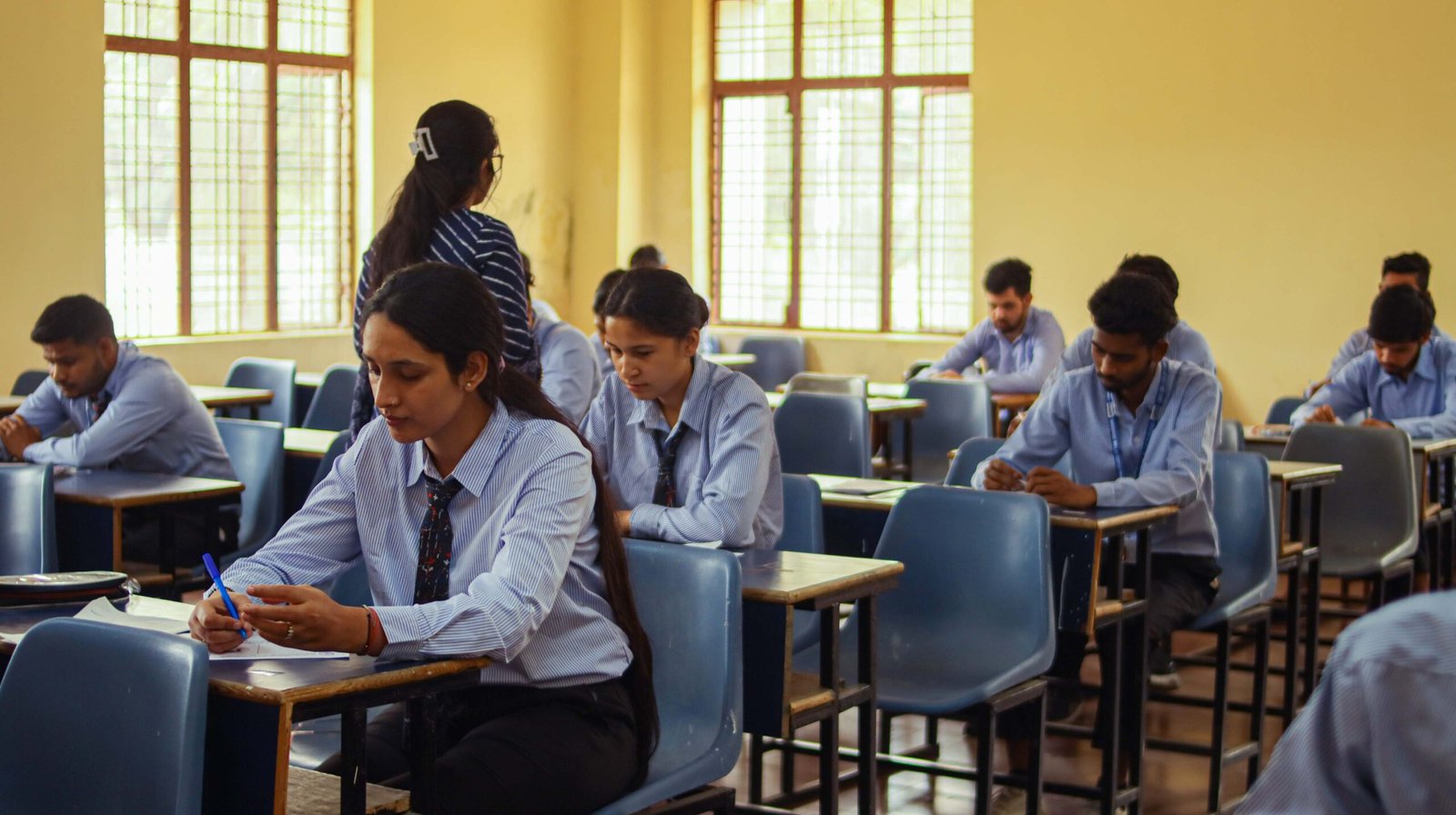
The experiences of students at pharmacy colleges in Dehradun are diverse and enriching. Many students find the transition from school to college challenging yet exciting. The rigorous academic schedule, combined with extracurricular activities, helps them develop time management and multitasking skills.

Students at KIITS often highlight the supportive and inclusive environment of the college. The faculty members are approachable and provide personalized attention to each student. Peer interactions and group projects foster a collaborative learning culture, where students learn from each other’s strengths and weaknesses.

One student shared, “Choosing KIITS for my pharmacy education was one of the best decisions I’ve made. The college offers a perfect blend of academic rigor and extracurricular activities. The faculty is incredibly supportive, and the research opportunities here are unparalleled. I feel well-prepared to face the challenges of the pharmaceutical industry.”

Another student mentioned, “The campus life at KIITS is vibrant and full of opportunities. From sports to cultural events, there’s always something happening. The college’s focus on holistic development has helped me grow not just academically but also personally. I’ve made lifelong friends and cherished memories here.”

Challenges and Solutions

While the student life at pharmacy colleges in Dehradun is generally positive, it does come with its set of challenges. Balancing academic commitments with extracurricular activities can be demanding. Students often face pressure to perform well in exams, complete assignments, and participate in various events.

To address these challenges, colleges like KIITS provide comprehensive support systems. Academic advisors and counselors are available to help students manage their workload and cope with stress. Time management workshops and study groups are organized to enhance students’ productivity and efficiency.

Future Prospects and Career Opportunities

A degree in pharmacy opens up a wide range of career opportunities in various sectors, including pharmaceutical companies, hospitals, research institutions, and regulatory bodies. Pharmacy graduates from colleges in Dehradun, especially KIITS, are highly sought after by employers due to their strong academic foundation and practical skills.

KIITS has a dedicated placement cell that assists students in securing internships and job placements. The college organizes campus recruitment drives, inviting top pharmaceutical companies and healthcare organizations to hire its graduates. The placement cell also provides career counseling and interview preparation sessions, ensuring that students are well-prepared for the job market.
best pharmacy college in Dehradun
 pharmacy college in Dehradun

Alumni Network and Industry Connections

The alumni network of pharmacy colleges in Dehradun plays a crucial role in shaping the future of current students. KIITS, being the best pharmacy college in Dehradun, has a strong and active alumni association. The alumni network serves as a valuable resource for students, providing mentorship, networking opportunities, and career guidance.

KIITS organizes regular alumni meetups and webinars, where successful alumni share their experiences and insights with current students. These interactions help students gain a deeper understanding of the industry and stay updated with the latest trends and developments.

Conclusion

Student life at pharmacy colleges in Dehradun is a unique blend of academic excellence, practical training, and vibrant campus experiences. KIITS stands out as the best pharmacy college in Dehradun, offering a holistic education that prepares students for successful careers in the pharmaceutical industry. With its state-of-the-art facilities, experienced faculty, and strong industry connections, KIITS provides an enriching environment for students to thrive both academically and personally.

The experiences and insights shared by students highlight the supportive and inclusive culture of KIITS. The college’s emphasis on research, community engagement, and overall development ensures that students graduate as well-rounded professionals, ready to contribute to the healthcare sector. Whether it’s the rigorous academic curriculum, the vibrant campus life, or the numerous career opportunities, KIITS offers a transformative journey for pharmacy students in Dehradun.

Important Links

More Posts

Government vs Private Jobs for Pharmacists: Which Is Better?

Government vs Private Jobs for Pharmacists: Which Is Better?

Pharmacists always come up with a question, either from others or just by themselves, and that is which sector is better to build a career, the private or the government? Well, both alternatives have their own advantages and disadvantages. Government jobs for phamacists characterised by stability, constant working hours, long term security, whereas private jobs offer quick progress, greater income capacity, and a variety of working opportunities. 

All these together confuse the student, and somehow, they get guided due to a lack of facts and guidance. Therefore, it becomes important to have knowledge of both in order to follow a direction that fits their objectives and lifestyle. To help you out and present the right information in front of you, we have compiled all the information in this guide. This will let you understand everything, and you will be able to figure out what is good for your career and choices. So, stay tuned to know further.

Overview of Pharmacist Jobs in India

India presents diverse career prospects in the field of pharmacists, both in the public and private sectors of health care. The pharmacist plays a vital role in facilitating safe and effective medication use, patient education, and health care provision. They practise in hospitals, retail pharmacies, pharmaceutical companies, research laboratories, regulatory agencies, and government jobs for pharmacists in health departments and public institutions.

As the level of healthcare services increasing so does the demand for skilled pharmacists. All the professions in pharmacy offer work security, decent earnings, and specialisation. Whether it’s in the field of patient care, drug manufacturing, quality control, or clinical research, Pharmacy is a profession that is trusted and satisfying in India and helps you in your growth.

Government Jobs for Pharmacists

Here are some of the government jobs for pharmacists mentioned below. If you are looking for the same, then go through the table below:-

Types of jobs About
Government Pharmacist in a hospital Pharmacists in government hospitals deal with the storage of medicine, dispensing of medicine, and patient advice. They make sure that the necessary drugs are available and they do not break the safety rules. This position provides consistent working schedules, job security, and satisfaction of serving patients in government-based medical centres.
Drug Inspector A pharmaceutical inspector inspects the quality, safety, and legality of the drugs being sold in the market. They carry out inspections in pharmacies, factories, and warehouses to make sure that rules are adhered to. This is a position with authority, responsibility, and an attractive position in government health departments.
Pharmacist in Railways Pharmacists are employed by Indian Railways in health and railway hospitals. They offer medicine to employees and their families in the railways. This is a well-paid job that is accompanied by government perks, predictable earnings, and a chance to work in various parts of India.
Pharmacist in Defence Services Defence pharmacists serve medical departments within the army, navy, or air force. They handle the medical supplies and support the medical teams. This position is disciplined, respectful, well-benefited, and an opportunity to serve the country.
Pharmacist in Public Sector Undertakings (PSUs) There are numerous PSUs that employ pharmacists in their hospitals and health care units. Such jobs are well paid, secure, and balanced. The pharmacists of this group are contributing to employee healthcare with the benefit of government-sponsored groups.

Private Jobs for Pharmacists

Here are some of the private jobs for pharmacists mentioned below. Go through them one by one.
Jobs About
Retail Pharmacist Retail pharmacists operate in pharmacies and medical stores, selling medications and giving advice to customers on how to use them. They directly handle patients, give instructions on doses, and provide information on safe handling of medicine. The position has a predictable demand, flexibility, and the possibility to run a business.
Hospital Pharmacist Doctors and nurses closely interact with hospital pharmacists to handle the medication of patients. They guarantee the right dosage of drugs, interactions, and cataloguing in a hospital. This will provide an excellent work experience, development opportunity, and a secure working environment in private health facilities.
Sales Executive in the Pharmaceutical Industry Pharmacists serve as medical or pharmaceutical salespeople who market medicine to physicians and hospitals. The position has good incentives, pay for performance, and career development. It is appropriate for people who have good communication abilities and are interested in the field of marketing.
Pharmacist Production and Quality Control The pharmacists are employed in the manufacturing units of pharmaceuticals. They oversee the manufacturing of drugs, quality testing, and safety levels. The role presents technical education, professional growth, and provides exposure to large-scale manufacturing of medicines.
Clinical Research Associate Clinical research pharmacists facilitate drug trials and regulatory measures. They assist in the provision of patient safety in research studies. This is a good position with salaries, learning, and an opportunity to work in advanced innovation and medical research.

Government vs Private Jobs: Detailed Comparison

Aspect Government pharmacist jobs Private pharmacist jobs
Employers type ESIC, the Central and state governments, railways, armed forces pharma manufacturing companies, CROs, MNCs, private hospitals
Job security High Moderate, depends on the stability of the company
Risk related to layoffs Almost none Only possible during restructuring and recession
Salary at the entry level around 25,000 to 40,000 around 15,000 to 30,000
Pension benefits Mostly available in all gov job roles Not available
Work life balance Mostly good Often changes

Which Is Better for You?

Whether you are a fresher, an experienced one, someone with long-term goals, or others, we have described what will be better for you. This will help you to have an idea about what can work out for you.
Category Career Perspective
For Freshers Government jobs are the favourite of freshers because of job security, structured learning, and fixed work hours. The private positions would also be enticing to those with ambitious initial salaries and career advancements. The correct course of action is a matter of priorities and the tolerance of work pressure.
Experienced Pharmacists The skilled workers can be able to work in the private sector where they can be able to receive higher compensation, promotions, and management positions. The government positions provide slow but sure growth, and they might be slow for those who want to climb the ladder very fast.
Based on Long-Term Goals Government jobs are best when you want to be stable, have pension benefits, and are also structured to allow a clear progression. In the case of entrepreneurship, specialisation, or increased income, the opportunities of the private sector are more appropriate.
Personal Preference and Lifestyle The issue of work-life balance, flexibility in locations, and personal interests will be relevant. Government jobs would be ideal just in case you appreciate stability and set schedules. In case you can work better in a dynamic job and get more incentives and different experiences, employment in privates can be more fulfilling.

In general, the knowledge of your priorities will assist you in choosing the most appropriate job among pharmacist opportunities in India.

Tips to Choose the Right Pharmacist Career Path

Here are some of the tips given below, which will help you to select the right pharmacist career path. Have a look at them one by one:-

1. Identify Your Interests

Consider what field you are most interested in, whether it is hospital pharmacy, retail, research, or sales. When you make a choice of the area you like, you will be motivated and working will be fulfilling.

2. Consider Job Security

In case stability is of concern, there is long-term security in government positions. This could make private jobs a better fit for the risk-takers who are interested in getting more money.

3. Assess Remuneration and Career Prospects

Compare base salary, benefits, and advancements. The initial payment in private jobs is usually higher, whereas government jobs will experience an increment over time.

4. Brings Work-Life Balance

Make a decision on the level of significance of fixed hours, leaves, and flexible schedules to you. Certainly, some jobs will require extended working hours or travelling, whereas others can be more routine.

5. Check Location Flexibility

Consider the location of your preference, whether in a city, town, or rural area. In government jobs, transfers can be made, whereas with private jobs, it is often possible to have a high degree of choice of location.

6. Align with Long-Term Goals

Take into consideration your future courses, whether you want to specialise, become an entrepreneur, or become a leader. Select a career that will assist you in realising your personal as well as professional objectives.

Sum up!

The choice of the type of employment between the government and the private sector among pharmacists is a matter of priorities. The government jobs offer predictability, scheduled working hours, and consistent growth, and thus, they are ideal for those who appreciate security and work-life balance. The jobs in the private sector are better paid, have faster career growth, and give diverse experiences to ambitious people. 

Aspects such as long-term objectives, way of life, and personal inclinations are important in the decision. Knowing the differences will make you take the right direction that is in line with your aspirations. Stable jobs or dynamic ones are both good choices; however, in the rapidly expanding pharmacist jobs in India, both are rewarding. If you are also interested in pharmacy courses, then enroll in KIITS.  We will provide you with quality education and expert guidance. 

Also Read: Top 10 Companies Offering Jobs for Pharmacy Students

Top Practical Skills Every D. Pharma Student Must Learn

Top Practical Skills Every D. Pharma Student Must Learn

practical skills for D.Phrama

A Diploma in Pharmacy (D. Pharma) is not merely a degree; it is a package of skills that you will use in a pharmacy setting. You learn various skills in this, including proper handling of medicines, leading patients in the most satisfactory manner, and others. Whatever profession you are dreaming of after completing D. pharma, be it in a retail pharmacy, hospital, or medical store, practical knowledge will make you career-oriented and professional. 

Learning about how to dispense drugs, basic patient care, and safety practices can make you work responsibly and efficiently. Therefore, if you are a d. Pharma students do pay attention to the basic skills to gain proficiency. These D. Pharma practical skills play a key role in shaping a confident and capable pharmacist. 

What Is D. Pharma and Its Career Scope

D. Pharma or Diploma in Pharmacy is a professional course that is pursued by those students who want to make a career in the pharmaceutical industry. It primarily focuses on the fundamentals of medicines, their applications, dosage, and safe dispensing, while also building strong D. Pharma practical skills. Upon completing D. Pharma, students are employed as registered pharmacists in a medical store, hospital, or clinic, or even in a pharmaceutical company.

Along with this, students can also prefer to start up their own pharmacy or proceed with higher education, such as B. Pharma. As the demand for healthcare services increases, the scope of the career of D. Pharma is broad, stable, and it can fit early job seekers in healthcare.

Top Practical Skills Every D. Pharma Student Must Learn

A successful career in D. Pharma will be based on practical skills. Students have to acquire skills learning concepts in a practical pharmacy context in addition to acquiring theoretical knowledge. The most important skills are the ability to dispense medication properly, grasp the prescriptions, and preserve the conditions in drug storage, as well as ensure patient safety.

Communication also matters, as the pharmacists usually instruct the patients concerning the dosage and usage. Rudimentary skills in inventory control, billing, and Pharmacy laws are useful in day-to-day functions. Acquisition of hygiene, proper labelling of medicines, and managing emergencies with confidence. Such practical knowledge renders D. Pharma graduates employment-ready and assists them in undertaking their responsibilities in the healthcare industry in a responsible and professional manner.

Importance of Practical Training During D. Pharma

Here are some of the points given below regarding the importance of practical training in the D.Pharm. Go through them one by one.

1. Develops self-confidence

The hands-on training also makes D. Pharma students feel at ease in an actual pharmacy setting. Through dealing with medicines, observing prescriptions, and working with patients, students get to learn how things work out while developing essential practical skills for D. Pharma students. Such practical exposure will minimise fear, enhance accuracy, and equip the students to cope with the day-to-day responsibilities without any difficulty once they complete the course.

2. Enhances Medicinal Education

The students get hands-on training on how medicines are stored, dispensed, and explained to patients. The practical use of drugs makes the theory understandable. It improves the memorization of drug names, uses, and precautions by students, resulting in safer and more effective pharmacy practice.

3. Improves Patient Communication

In the course of training, patients and healthcare staff members frequently discuss issues with the students. This enhances communication skills and helps learns how to describe dosage, side effects, and precautions using easy language. Effective communication creates a sense of trust in patients and adequate use of medicines in a safe manner.

4. Lectures on Professional Responsibility

Hands-on experience demonstrates to students to be accurate, hygienic, and ethical when practising pharmacy. They are taught about the pharmacy laws, record keeping, and how to handle medicines. This instils discipline and professionalism in them, which is highly required in medical stores, hospitals, and clinics.

5. Trains Students to be job-ready

Practical training will render the students job-ready as they will be introduced to the actual work in the pharmacy, such as billing, handling stock, and prescription work. Employers generally look for applicants who are experienced, as they can work efficiently without having to undergo further training.

6. Help Determine Career Interests

Practical experience enables students to be introduced to various pharmacy environments, including retail, hospital, and clinical pharmacy. This would help them know where their interest is and strategize their future career direction with a lot of confidence, either in employment, in higher education, or starting their own pharmacy.

Common Mistakes D. Pharma Students Should Avoid

A lot of D. Pharma students commit mistakes, which can impact their learning and career. Among the mistakes that are committed by the students is the tendency to focus on learning theory and not pay attention to the practical training, which is highly essential in pharmacy. Some students do not read prescriptions carefully, which leads to mistakes. 

The lack of time management, missing lab work, and the failure to adhere to safety regulations are also widespread problems. They also lack confidence and knowledge by avoiding communication with teachers and patients. Pharmacy laws and the information on the drugs should also be updated with the students. If the students keep themselves disciplined, attentive, and practice-oriented, then they can be successful in the same way and do better. 

Career Opportunities After D. Pharma

Here are some of the career opportunities given below that you can look for after D.Pharm. Go through them one by one.

1. Retail Pharmacist

In this, you can work in medical stores or pharmacies and dispense medicine, explain how to take it, check the prescriptions, and instruct the customers to use medicine safely and correctly every Day.

2. Hospital Pharmacist

In this profession, you can help the physicians and nurses in the hospitals to control the medicines, give correct doses, keep records and give the appropriate medicines at the appropriate time.

3. Medical Store Owner

You can also have your own medical store. Control stock levels of medicines and billing, customer care, and all laws and safety regulations in the pharmacy.

4. Pharmaceutical Sales Representative

Market drugs to physicians and medical care providers, clarify product advantages, nurture relationships, and assist pharmaceutical firms to raise awareness and sales.

5. Drug Store Manager

Supervise day-to-day activities of a pharmacy, supervise personnel, inventory, proper storing of medicines, and adherence.

6. Clinical Assistant

Assist healthcare personnel in preparing medicines, patient care, maintaining pharmacy spaces, and ensuring safe and effective drug use.

7. Medical Billing and Coding Assistant

Hospitals or clinics Work to bill and ensure medicine-related claims, and do proper documentation with basic pharmaceutical and medical knowledge.

8. Higher Studies (B. Pharma)

Further your education by joining B. Pharma and acquire more knowledge, improved career development, increased pay opportunities, and increased responsibilities in the pharmaceutical arena.

Conclusion!

Practical skills are very important if you want to make a successful D. pharma career. These skills work the most in handling medicines, communicating with patients, and many other tasks. As a D.Pharm student, you must emphasise learning proper dispensing, understanding prescriptions, managing inventory, and adhering to the rules of pharmacy. 

With practical training, you will get to know about accuracy, responsibility, and professionalism. These are all very important for healthcare. If you are a D.Pharm student, then focus on these skills during your studies for a rewarding future. To pursue this course, enroll at KIITS. We will help you to have quality education and a healthy environment. 

FAQs

1. Is D. Pharma practical training mandatory?

Yes, practical training is very important for the students of D. pharma, as it helps the students in gaining hands-on experience and also prepares them for real-life challenges. 

There are various skills that are very important for fresh pharmacists, such as good communication, correct medicine dispensing, basic drug knowledge, attention to detail, and many more.

Yes, strong practical skills can improve the salary as they make the pharmacist more efficient, valuable and reliable for the employees.

The D. Pharma students can improve dispensing accuracy by reading the prescriptions carefully, double-checking the medicines and dosage, and adhering to the standard dispensing procedures. 

Practical training helps in hospital pharmacy jobs by teaching them real-time medicine handling, patient safety practices, and coordination with the doctors and nurses. 


Scroll to Top