




Navigating Regulatory Affairs in The Pharmaceutical Industry

Regulatory Affairs

Regulatory affairs, or RA, is crucial to the pharmaceutical industry’s introduction of novel medications to the market and to maintaining those medications’ accordance to strict regulations. Pharmaceutical industry that want to stay ahead of the competition and protect public health must be able to navigate the complex world of drug regulation. This article explores the important duties and difficulties that the pharmaceutical industry’s regulatory relations department faces.

Regulatory Affair’s Function in the Pharmaceutical Sector

Pharmaceutical industry

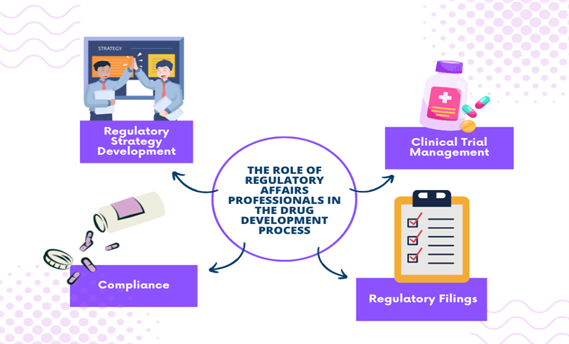
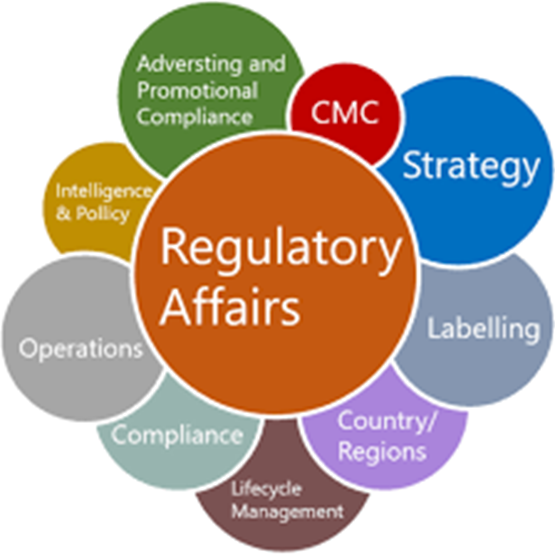
The foundation of compliance and communication between the pharmaceutical industry and regulatory bodies is the regulatory affairs department. Before any pharmaceutical product is approved for use, this section makes sure it satisfies all legal and scientific standards. The following are the main duties of the regulatory affairs team:

Getting Regulatory approval:

One of the main responsibilities is obtaining permission from regulatory organisations, such as the European Medicines Agency (EMA) in Europe, the Food and Drug Administration (FDA) in the United States, and other international organisations. This entails gathering thorough documentation attesting to the quality, safety, and efficacy of novel medications.

Sustaining Product Approval:

The regulatory affairs division is responsible for making sure that regulations are continued to be followed once a medicine is placed on the market. This entails responding to any questions or concerns raised by regulators, managing labelling modifications, and providing regular safety updates.

Regulatory Strategy and Advice:

RA specialists give project teams vital advice regarding regulatory plans and requirements. They aid in the interpretation of complicated legislation and foresee the requirements that regulatory bodies will have for product approval, influencing the development process.

Documentation and Submissions:

A major responsibility of the RA department is the creation and submission of regulatory documentation. Applications for marketing permission, clinical study approvals, and product variants are all included in this. The success of the regulatory review process depends on these documents being thorough, uniform, and easy to understand.

Regulatory intelligence:

It’s critical to stay up to date with changing rules, policies, and industry standards. In order to enable proactive adaptation to new regulations, RA experts must regularly monitor regulatory developments and share insights to their organisations.

Regulatory Affairs Significance to Pharmaceutical Success
regulatory affairs

This department plays a crucial role in pharmaceutical industry strategic planning and success, going beyond simple compliance. RA specialists assist in the timely introduction of safe and efficient medications onto the market by making sure that goods fulfil regulatory requirements and assisting development teams with the clearance procedure.

This industry can also influence regulatory regulations through the RA department’s aggressive participation in legislative talks, creating an atmosphere that is more conducive to innovation. Early involvement can influence future regulatory frameworks in the International Council for Harmonisation (ICH) environment, which will benefit the entire sector.

Difficulties with Drug Regulatory Affairs

Several difficulties arise when navigating the drug regulatory affairs landscape:
regulatory affairs

Regulatory Frameworks:

Regulatory frameworks are intricate and dynamic, undergoing regular modifications. For RA experts, staying up to date on these changes and comprehending their effects on drug development and implementation presents a big challenge.

Global Regulatory Variations:

Since every nation has a different set of regulations, every market requires a different set of strategies. Complexity is increased further by harmonising these specifications to expedite submissions from throughout the world.

Data management and integrity:

It’s critical to guarantee the precision and consistency of data that is provided to regulatory bodies. This entails handling enormous volumes of safety reports, manufacturing records, and data from clinical trials.

Timely Submissions:

In order to prevent delays in product approval and market entry, it is essential to meet regulatory submission deadlines. This calls for careful project management and collaboration across the pharmaceutical industry many departments.

Risk management:

To prevent any compliance problems and guarantee the smooth advancement of regulatory submissions, it is crucial to identify and mitigate regulatory risks throughout the drug development process.

Establishing Good Working Relationships :

Working with Authorities:  It’s important to build and preserve solid working relationships with regulatory authority. This partnership makes it easier to have conversations about clinical research plans, formulary creation, and guideline variances, which guarantees a more seamless regulatory procedure.
To sum up, the success of a pharmaceutical firm depends on the RA department, which assures regulatory compliance, directs development initiatives, and upholds market approval for pharmaceutical goods. It is an essential part of the pharmaceutical industry, playing a role from early product development to post-marketing maintenance.

Conclusion:

Strategic planning, meticulous dedication to detail, and an in-depth knowledge of regulatory frameworks are necessary for navigating regulatory issues in the pharmaceutical industry. In order to guarantee that novel medications fulfil strict requirements and are delivered to patients in a safe and effective manner, the regulatory affairs department acts as a liaison between pharmaceutical corporations and regulatory bodies. Regulatory affairs will continue to play a critical role in stimulating innovation and preserving public confidence in novel medical treatments as the pharmaceutical sector develops.

Important Links

More Posts

How to Build a Successful Career in the Pharmaceutical Industry

How to Build a Successful Career in the Pharmaceutical Industry

The pharmaceutical industry is one of the very few industries where science is applied to real-life applications every day. Right from the development of life-saving medicines to ensuring that these medicines are delivered safely to the patients, this industry plays a direct role in improving the health of people across the globe.

So if you have ever wondered whether a career in the pharmaceutical industry is what you are looking for, then you are not alone. Today, many students are actively looking for how to start a career in the pharma industry & what opportunities are actually available in this expanding sector.

Thus today’s blog will take you through every step, from learning more about the industry to learning about the best career options in the pharma sector.

Why Choose the Pharmaceutical Industry?

The pharmaceutical industry is growing at a fast pace globally, especially in countries such as India. With rising awareness about healthcare, advancements in medical research & a growing population, the need for skilled pharmacy professionals is increasing steadily.

Other than this, here’s why students are opting for this career

  • Strong job stability
  • Great job opportunities in India & abroad
  • Attractive salary growth
  • Research-oriented & innovation-based jobs
  • Straight contribution to healthcare & society

Additionally, the pharma industry is less likely to be affected by trends, as healthcare is always in demand. A clear example of such a situation was during COVID when businesses across all sectors were impacted, yet healthcare professionals remained on the front lines & were in exceptionally high demand.

Understanding the Pharmaceutical Industry Structure

Before delving into how to start a career in the pharma industry, it is essential to understand the structure of the industry. The pharma industry comprises

  • Research & Development (R&D) which includes drug development, clinical trials & formulation
  • Manufacturing & Production which includes the manufacturing of drugs & quality control checks
  • Regulatory Affairs in which adherence to government regulations is maintained
  • Sales & Marketing which includes marketing of drugs in an ethical manner
  • Quality Assurance in which adherence to safety standards is maintained
  • Pharmacovigilance which includes monitoring of drug safety

In the Indian pharma industry, organisations such as the Central Drugs Standard Control Organisation oversee the industry & ensure that it is safe & adheres to regulations. Worldwide, organisations such as the Food & Drug Administration in the United States set strict guidelines for the approval & monitoring of drugs.

Understanding all these segments helps you identify where your interests & strengths align.

How to Start a Career in Pharma: Step-by-Step Guide

If you are seriously thinking about this, here is a step-by-step guide to follow.

1. Choose the Right Academic Qualification

The beginning of your career is based on the right course. Some of the most sought-after courses are
  • Diploma in Pharmacy (D.Pharm)
  • Bachelor of Pharmacy (B.Pharm)
  • Master of Pharmacy (M.Pharm)
A B.Pharm degree is always the best way to start your career if you are thinking about how to start a career in pharma. It gives you a solid foundation in pharmacology, pharmaceutics, medicinal chemistry & pharmaceutical analysis.

2. Develop Practical Exposure

Pharma is not all about academics. Internships, industry visits & lab training are also important. Students who have practical exposure during their academic years feel more confident & ready to join the workforce.

So look for colleges that provide

  • Well-equipped labs
  • Industry tie-ups
  • Research opportunities
  • Hospital training exposure

3. Identify Your Career Specialisation Early

The biggest blunder that many students make is that they take a lot of time to discover their area of specialisation. The pharma industry is quite broad & if you know your area of interest early on, you can develop expertise in that area.

Some of the most sought-after career options in the pharma sector are

  • Drug Inspector
  • Pharmacist
  • Clinical Research Associate
  • Regulatory Affairs Officer
  • Quality Control Analyst
  • Medical Representative
  • Pharmaceutical Scientist
  • Production Manager

Each of these roles demands different qualities like analytical skills, communication skills, research skills & management skills.

Best Career Paths in the Pharma Sector

Let’s take a closer look at some of the best career paths.

• Research & Development (R&D)

If you are interested in lab work & research then R&D can be an extremely rewarding career path. You will be working on the development of new drugs, enhancing formulations & testing them.

This career path demands further education such as M.Pharm or PhD.

• Clinical Research

Clinical research specialists are responsible for managing clinical trials & ensuring that medicines are tested in an ethical manner. With the demand rising globally, this is one of the most rapidly growing career paths in the pharma industry.

• Regulatory Affairs

Regulatory affairs professionals are responsible for ensuring that pharmaceutical products meet national & international standards. As every pharmaceutical product has to meet strict requirements before it is introduced to the market, this is a secure career option.

• Pharmaceutical Marketing

Pharmaceutical marketing professionals & medical representatives act as a bridge between pharmaceutical companies & healthcare professionals. So if you possess excellent communication skills then a career in pharmaceutical marketing can be an excellent option.

• Government Jobs in Pharma

Government jobs such as a Drug Inspector or Government Pharmacist are secure & well-respected professions. However, candidates must clear competitive examinations to secure these government positions.

Skills Required to Succeed in Pharma

Building a successful career in pharma requires more than just a degree. It requires skills like

  • Strong knowledge of chemistry & biology
  • Attention to detail
  • Analytical thinking
  • Communication skills
  • Ethical responsibility
  • Adaptability to new technologies

Now that the industry is increasingly integrating digital tools, AI-based drug research & automation, being open to learning new technologies will give you an added advantage.

Challenges in the Pharmaceutical Industry

Each industry has its own set of challenges. In the pharma industry, professionals can encounter the following

  • Tight regulations
  • Continuous learning needs
  • High accountability for drug safety
  • Competitive scenario

But for people who are passionate about the healthcare & scientific community, these challenges are stepping stones for development.

Why KIITS College is a Strong Choice for Pharmacy Aspirants

When it comes to establishing a strong foundation in pharmacy education, KIITS College stands out as one of the most trusted institutions.

Here’s how KIITS College helps aspiring pharma professionals

  • The college offers comprehensive pharmacy courses as per industry requirements
  • The college offers well-equipped labs for hands-on experience
  • The college places great focus on research & innovation
  • The college has a team of experienced faculty members with great academic & industry knowledge
  • The college offers career counselling & placement assistance

Conclusion

Becoming successful in the pharmaceutical sector is a process that starts with the right education & exposure. From research & regulatory roles to marketing & government services, the pharmaceutical sector provides immense opportunities & the landscape is constantly changing.

So if you are planning to make your career in the pharma industry, it is important to remember that clarity, skill building & the right academic setting are essential. The pharmaceutical industry provides stability, growth & a special feeling of being part of the global healthcare community.

Institutions like KIITS College of Pharmacy provide the foundation that students need to start their journey in this ever-changing industry. With the right guidance, exposure & programs, KIITS College can be the beginning of a successful & meaningful career in the pharmaceutical industry.

What Are the Highest Paying Jobs in the Pharmacy Field?

What Are the Highest Paying Jobs in the Pharmacy Field?

If you are considering a career in pharmacy, one of the questions that you will inevitably ask is: What are the best-paying jobs?

This is a very relevant question.

And while it is true that a love for the healthcare industry is a very important factor in ensuring that you are satisfied with your chosen career, it is also true that financial security is a big factor in this regard.

The pharmacy industry today is much more diverse than many people think. It is not just about dispensing drugs over the counter. The pharmacy industry involves many other high-paying career options, including drug research and development, clinical trials and pharmaceutical marketing.

Thus in this blog, we will go through some of the highest-paying pharmacy jobs, why they are so lucrative and how you can position yourself for these careers.

Which Are the Highest Paying Pharmacy Jobs?

The highest-paying jobs in the pharmacy industry typically include roles such as
• Pharmaceutical Scientist
• Regulatory Affairs Manager
• Clinical Research Director
• Drug Inspector
• Pharmacovigilance Manager
• Pharmaceutical Marketing Manager

While these positions demand advanced education, strong technical expertise and industry experience, they also offer excellent salary growth and global opportunities.

Now, let’s break this down in detail.

Why Some Pharmacy Roles Pay More Than Others

Before delving into the list of job titles, it is important to understand why certain job titles are among the highest-paying pharmacy professions.
There are several reasons why salaries are influenced in certain ways and that include

  • Education level (B.Pharm, M.Pharm, Pharm.D, PhD)
  • Technical expertise
  • Industry experience
  • Responsibilities related to regulation
  • Leadership or management role
  • International experience

Furthermore, job titles that involve drug approval, research leadership, regulatory responsibility or strategic decision-making are likely to be higher paying because they have a direct effect on public health and company profitability.

List of Job Titles

1. Pharmaceutical Scientist

A Pharmaceutical Scientist is involved in research and development (R&D), where they are responsible for the discovery and development of new drugs. This job requires laboratory work, clinical research and formulation design.
People in this industry are likely to be working together with international regulatory agencies such as the U.S. Food and Drug Administration or in accordance with the Central Drugs Standard Control Organisation in India.

Why the Job Role Pays Well

  • Requires advanced educational degrees (M.Pharm or PhD)
  • Requires a high level of responsibility regarding drug safety and efficacy
  • Has a long-term impact on global healthcare

If research is your passion, then this is one of the top paying pharmacy careers that you can pursue.

2. Regulatory Affairs Manager

Every pharmaceutical product has to meet strict regulatory requirements before it is introduced to the market. Thus Regulatory Affairs Managers are responsible for ensuring that all requirements of national and international laws are met.

They are responsible for preparing documents, conducting audits and interacting with the regulatory bodies.

Why the Job Role Pays Well

  • The role is highly important in drug approval
  • Requires expert knowledge of regulatory requirements and international standards

Since no pharmaceutical product can be introduced to the market without regulatory approval, people in this profession are highly sought after.

3. Clinical Research Director

Clinical research is a very important aspect of modern healthcare. A Clinical Research Director is responsible for overseeing clinical research, maintaining high ethical standards and directing research staff.

Why the Job Role Pays Well

  • Involves leadership roles
  • The job role is directly related to global healthcare research
  • Requires experience and expertise

With India becoming a destination for clinical research, this is rapidly becoming one of the best-paying pharmacy jobs in the country.

4. Drug Inspector

A Drug Inspector is employed by the government to oversee drug production and enforce safety standards.

They inspect drug facilities, collect samples and pursue legal action if necessary.

Why the Job Role Pays Well

  • Government-supported job
  • High authority and accountability
  • Secure employment with good compensation

Drug Inspectors usually work in coordination with organisations such as the Central Drugs Standard Control Organisation thus making it a prestigious and secure job.

5. Pharmacovigilance Manager

Pharmacovigilance is the process of monitoring drug safety after the product is introduced to the market. A Pharmacovigilance Manager is responsible for monitoring adverse drug reactions and patient safety.

Why the Job Role Pays Well

  • There’s high accountability for drug safety monitoring
  • There’s high demand in the international market
  • Requires analytical and writing skills

With the increasing number of global pharmaceutical companies, drug safety reporting is becoming increasingly essential.

6. Pharmaceutical Marketing Manager

Pharmaceutical marketing is much more than just a sales job. Marketing Managers formulate product marketing strategies, oversee brand positioning and supervise teams of medical representatives.

Why the Job Role Pays Well

  • You play a direct role in generating revenue for the company
  • You get to be in leadership and planning roles
  • There are incentives and performance bonuses

This job is perfect for people with good communication and managerial skills.

7. Hospital Pharmacist

Retail pharmacists may have decent pay, but hospital pharmacists, especially those in multi-speciality hospitals, have the potential to earn much higher salaries.
They work hand in hand with doctors, oversee drug therapy and track patient results.

Why the Job Role Pays Well

  • The role requires specialised medical expertise
  • There’s direct patient care involvement
  • Advanced certifications can further increase earning potential

8. Production and Quality Assurance Manager

These professionals monitor manufacturing operations and ensure that they comply with Good Manufacturing Practices (GMP).

Why the Job Role Pays Well

  • You are directly responsible for product quality
  • There are supervisory and management roles
  • As you tend to gain more experience, your salary increases

How KIITS College Helps You Aim Higher for High-Paying Jobs

When considering a career in pharmacy, the college you choose can help make your future. Speaking of KIITS College, it is recognised for providing industry-specific pharmacy courses that help students prepare for a challenging and high-paying career.

Here’s how KIITS helps aspiring professionals

  • Offers comprehensive B.Pharm and advanced courses
  • Has well-equipped labs on its campus for hands-on training
  • Offers industry exposure and internships
  • Provides guidance from experienced faculty members
  • Offers career counselling and placement assistance

So students who want to make a career in research, regulatory affairs, clinical trials or pharmaceutical management, KIITS not only trains students in academics but also in skill development and industry preparation which is required for high-paying careers.

Sum up!

The pharmacy sector has much more to offer than just the traditional dispensing roles. Right from research scientists and regulatory managers to clinical directors and pharmaceutical marketing leaders, the options are endless and very rewarding.

While it’s true that the highest paying pharmacy jobs require skill, hard work and a commitment to lifelong learning, they also offer excellent career security and international opportunities. If you are targeting the most lucrative pharmacy careers then you should start by creating a strong educational foundation, hands-on experience and identifying a specialisation that matches your passions.

Institutions like KIITS offer the ideal academic setting, hands-on experience and guidance to help you prepare for these high-growth opportunities. But you have to remember that the secret to having a pharmacy career that is both rewarding and fulfilling is to start with the right foundation and set your sights high

Scroll to Top