



Clarify CBC Test Result: Your Blood Tells about Your Health

Clarify CBC Test Result: Your Blood Tells about Your Health

Introduction

A Complete Blood Count CBC test results is an essential diagnostic tool that offers a deep dive into your overall health. This test provides a snapshot of various blood components, giving crucial insights into how well your body is functioning. By understanding your CBC test result, you can detect potential health issues, monitor existing conditions, and make informed decisions about your health care. In this comprehensive guide, we’ll explore the key elements of CBC test results, their significance, and how you can use this information to maintain and improve your health.
Clarify CBC Test Result: Your Blood Tells about Your Health

What is a CBC Test?

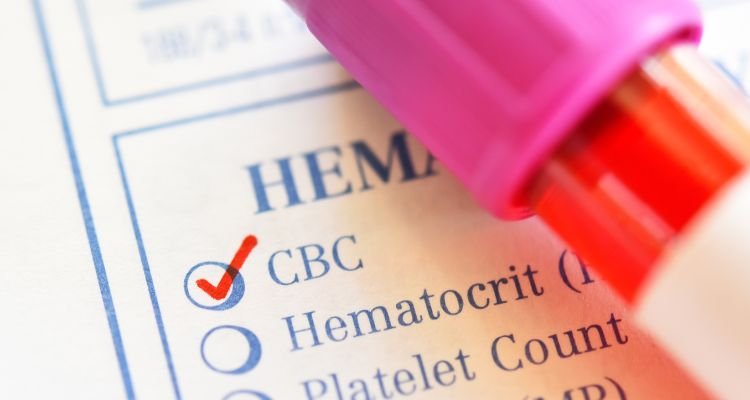
The Complete Blood Count CBC test results evaluates several vital components of your blood, each serving a unique role in assessing your health and detecting potential issues. Here’s a closer look at the primary components measured in a CBC test:

  • Red Blood Cells (RBCs): RBCs are crucial for oxygen transport. They carry oxygen from your lungs to tissues throughout your body and return carbon dioxide to your lungs for expulsion. The CBC test measures both the number and the health of these cells.
  • White Blood Cells (WBCs): WBCs are the defenders of your immune system. They combat infections, bacteria, viruses, and other harmful invaders. The CBC test results counts and categorizes the different types of WBCs.
  • Hemoglobin (HB): Hemoglobin, found in RBCs, binds oxygen and carries it to your body’s tissues. The CBC test results measures the concentration of hemoglobin in your blood, which is essential for assessing your oxygen-carrying capacity.
  • Hematocrit (HCT): Hematocrit reflects the percentage of your blood volume that is made up of red blood cells. This measure helps determine if you have a healthy proportion of RBCs in your blood.
  • Platelets: Platelets are small cell fragments that play a critical role in blood clotting. The CBC test results evaluates both the number and functionality of platelets.

Key Components of CBC Test Result

Red Blood Cells (RBCs)

  • Normal Range: For men, it is typically between 4.7 to 6.1 million cells per microliter (cells/µL), and for women, it ranges from 4.2 to 5.4 million cells/µL.
  • High Levels: Elevated RBC counts can indicate dehydration, chronic lung conditions, or polycythemia Vera, a rare blood disorder.
  • Low Levels: Low RBC counts often suggest anemia, excessive bleeding, or disorders affecting red blood cell production.
Clarify CBC Test Result: Your Blood Tells about Your Health

White Blood Cells (WBCs)

  • Normal Range: Generally between 4,000 to 11,000 cells per microliter (cells/µL).
  • High Levels: An increased WBC count may point to infections, inflammation, or more serious conditions like leukemia.
  • Low Levels: Reduced WBC counts can be a sign of bone marrow disorders, autoimmune diseases, or a heightened risk of infections.

Hemoglobin (HB)

  • Normal Range: For men, it’s usually 13.8 to 17.2 grams per deciliter (g/DL), and for women, it’s between 12.1 to 15.1 g/DL.
  • High Levels: Elevated hemoglobin might result from living at high altitudes, chronic lung disease, or other conditions.
  • Low Levels: Low hemoglobin levels are often linked to anemia, causing symptoms like fatigue, weakness, and breathlessness.

Hematocrit (HCT)

  • Normal Range: For men, 40.7% to 50.3%, and for women, 36.1% to 44.3%.
  • High Levels: High hematocrit can indicate dehydration or conditions like polycythemia Vera.
  • Low Levels: Low hematocrit levels may suggest anemia or significant blood loss.

Platelets

  • Normal Range: Typically 150,000 to 450,000 platelets per microliter (platelets/µL).
  • High Levels: Increased platelet counts may result from inflammation, infection, or bone marrow disorders.
  • Low Levels: Low platelet counts can signal bleeding disorders, bone marrow issues, or certain cancers.

How to Interpret Your CBC Test Result

Understand Your Baseline: Start by familiarizing yourself with the normal range values provided by your lab. Compare these ranges with your results to identify any deviations.

Look for Patterns: Consistent deviations from normal ranges may indicate chronic conditions or underlying health issues that need attention.
Clarify CBC Test Result: Your Blood Tells about Your Health

Consider Symptoms: Relate your test results to any symptoms you might be experiencing, such as fatigue, weakness, or unusual bleeding, to get a clearer picture of your health.

Common Conditions Detected Through CBC test results

  • Anemia: Characterized by low red blood cell counts or hemoglobin levels, anemia leads to symptoms like fatigue, paleness, and shortness of breath.
  • Infections: Elevated WBC counts can signal bacterial, viral, or fungal infections.
  • Leukemia: Abnormal WBC counts might indicate leukemia or other blood cancers.
  • Platelet Disorders: Irregular platelet counts can reveal clotting disorders or bleeding issues.

Steps to Take After Receiving Your CBC Test Result

Consult Your Doctor: Share your results with a healthcare provider to interpret them in the context of your overall health and medical history.

Follow Up: Depending on the findings, further tests or treatments may be necessary to address any identified conditions.

Healthy Lifestyle: Maintaining a balanced diet, regular exercise, and proper hydration can positively impact your blood health and overall well-being.
Clarify CBC Test Result: Your Blood Tells about Your Health

How to Prepare for a CBC test results

  • Fasting: Some CBC test results might require fasting. Follow any specific instructions from your healthcare provider.
  • Medications: Inform your doctor about all medications and supplements you are taking, as they may influence test results.
  • Hydration: Drink plenty of water before the test to ensure proper blood flow and prevent dehydration.

Lifestyle Factors Influencing Your CBC Test Result

  • Diet: Consuming a diet rich in iron, vitamins (especially B12 and folic acid), and minerals supports healthy blood cell production and function.
  • Exercise: Regular physical activity enhances overall health and improves blood circulation.
  • Stress Management: Effectively managing stress can help maintain balanced blood cell levels and contribute to overall well-being.
Clarify CBC Test Result: Your Blood Tells about Your Health

Conclusion

Understanding your CBC test results result is crucial for maintaining optimal health and addressing potential issues early on. By analyzing the key components of your blood and discussing them with your healthcare provider, you can gain valuable insights into your overall health. Remember to adopt a healthy lifestyle and seek professional advice if your results fall outside the normal range. Your blood provides important clues about your health, and interpreting these results accurately can lead to timely interventions and improved health outcomes.


Important Links

More Posts

Do You Need an Entrance Exam for B.Pharma Admission in Uttarakhand?

Do You Need an Entrance Exam for B.Pharma Admission in Uttarakhand?

Choosing your future in the pharma industry is indeed a fascinating journey. For those who wish to secure a B.Pharma Admission in Uttarakhand, the region offers excellent opportunities. But for many students, the entry criteria are quite confusing. One such commonly asked question among pharmacy aspirants is whether they need to clear a specific Pharma Entrance Exam Uttarakhand requires to get admission.

Applying for colleges is already difficult with different criteria for each university. Here we shall explain to you all the things that you need to know about the entry criteria.

The Short Answer

It all depends on the college you opt for. While some of the colleges in Uttarakhand will have you appear in an entrance exam at the state level or the university level, others have direct admission through your Class 12 scores.

A lot of good private colleges of pharmacy recognize the fact that your entrance exam scores do not completely determine your capabilities. Hence, they give you an option of applying directly by means of your Class 12 aggregate scores, provided you have passed your Class 12 exam in Physics, Chemistry, and either Biology or Mathematics.

Hence, there is no one rule applicable everywhere. Let us analyze your choices in detail.

Option 1: Centralized Counseling and Entrance Tracks

In case of admission to government pharmacy colleges or certain participating universities, the state counseling process or normal entry procedure needs to be undertaken, which would consist of the following:

UKSEE Counseling (UTU Dehradun): It is the body which takes care of admissions in those seats which come under the purview of state quota. Note: The independent state entrance test has now been abolished. All the seat allocations done via this portal are based on Class 12 board marks only.

CUET (Common University Entrance Test): It is the national-level test that needs to be taken if you have any plans of joining central universities or participating in state universities in the area.

University Independent Screening: For students looking outside the state quota, several independent private universities across Uttarakhand conduct their own institutional screening tests or direct merit rounds for seat selection.

What is the Exam Pattern?

For pathways that require an active entrance exam (like CUET or specific private university tests), the core testing parameters remain standard, focusing on Physics, Chemistry, and either Biology or Mathematics. However, keep in mind that while private tests may pull from both Class 11 and 12, the national CUET exam evaluates students strictly on the Class 12 NCERT syllabus.

Option 2: Direct Admission (No Entrance Exam)

Here comes the best part: there are a number of top private pharmacy colleges in Uttarakhand where admission is directly made for the B.Pharma course. Indeed, you heard it right. You don’t need to pass a competitive exam or even appear for the examination at all.

Based on these two criteria:

Class 12 Aggregate Marks: Generally 45% – 50% aggregate marks in PCB (Physics, Chemistry, Biology) / PCM (Physics, Chemistry, Mathematics).

Personal Interview: More like an informal discussion about your career aspirations, rather than an interview that can be very difficult.

Such a method would suit you well if you already have impressive marks in high school, but want to save yourself from the stress of appearing for another competitive exam.

What Are the Basic Pharmacy Admission Requirements?

No matter if you want to opt for direct admission or through entrance exams, you will have to satisfy the minimum academic requirements. Here is how you can qualify for a general B.Pharma Admission in Uttarakhand, so you know if you meet the baseline eligibility for enrollment.

Requirement

Details

Education

Passed Class 12 from a recognized educational board

Core Subjects

Physics, Chemistry, and Biology or Mathematics

Minimum Marks

45% to 50% aggregate in core science subjects (40% to 45% for reserved categories)

Age Limit

17 years or older at the time of admission

Course Duration

4 years divided into 8 academic semesters

So Which Path Should You Choose?

Go for the entrance exam route if you:

  • Enjoy competitive challenges and want a wider choice of state-run colleges.
  • Are completely okay with spending extra months preparing intensely for a test.
  • Target government college fees exclusively.

Direct admission at a trusted private college makes more sense if you:

  • Have decent Class 12 marks and want to secure a seat early.
  • Want to start your pharmacy journey sooner without a gap year.
  • Prefer a smooth, stress-free admission experience.

Conclusion: Your Pathway to Success

A future career in the field of pharmaceutical sciences should not be dependent upon just one stressful examination day. Your future career should depend upon your dedication, curiosity, and desire to learn. Although the entrance examinations are a valid route to pursue, opting for direct B. Pharma admissions at a good private institute in Uttarakhand will save time and reduce academic stress.

KIITS provides a student-friendly method of B.Pharma admissions in Uttarakhand, which frees you from navigating unnecessary procedural hassles. Rather than making you jump from one examination hall to another, KIITS understands what really counts, that is, your dedication and ability to become a competent healthcare professional.

KIITS offers you an atmosphere that allows you to concentrate solely on your studies without being affected by the distractions of city life, surrounded by the tranquil foothills of Dehradun. It comprises state-of-the-art laboratories, a curriculum that prepares you for the demands of the corporate world, and good placement opportunities in some of the best pharmaceutical companies, such as Cipla and Mankind.

Choosing KIITS will provide you with all the facilities and mentors to help you start your career right.

Are you ready to embark upon a successful healthcare career? Start with the very first step! Log on to KIITS’ website and apply now, or contact their admissions team to book your seat for the upcoming academic year!

Also read: Why Accreditation Matters in Pharma College Admission?

Pharmacy vs Medical: Which Course Guarantees a Better Career

Pharmacy vs Medical: Which Course Guarantees a Better Career

Quick answer: Neither pharmacy nor medicine “guarantees” a better career outright. It all depends on what kind of work you actually want to do. Medicine (MBBS) leads to becoming a practicing doctor, diagnosing and treating patients directly and takes significantly longer to complete. Pharmacy trains you in the science of medicines themselves, how they’re developed, tested and dispensed and gets you into the workforce faster with strong opportunities in the pharmaceutical industry, research and healthcare management.

Every year around results season, a large number of science students find themselves stuck at the same question – pharmacy or medical? Both fields deal with health, both are respected and both parents and relatives will have strong opinions about which one is “better.” But here’s the thing — this isn’t really a competition with one clear winner. It’s more about matching the course to what you actually want your day-to-day work life to look like ten years from now.

So let’s actually break this down properly without the usual bias toward one path just because it sounds more prestigious on paper.

What Medicine (MBBS) Actually Involves

Medicine is the path if your goal is to become a practicing doctor. It typically means:

A 5.5-year MBBS degree including a mandatory year of internship, followed by the option of specialising further through postgraduate programs like MD or MS which can add another 3 years or more depending on your specialisation.

Getting in requires clearing NEET and once you’re through, the course itself is intense, heavy on clinical rotations, hands-on patient interaction and years of continuous study even after you technically qualify.

If you genuinely want to diagnose patients, perform surgeries or run a clinical practice, there’s no real substitute for this path. But it’s also a long, demanding road and not everyone who’s good at biology necessarily wants to spend a decade in medical training before they start their actual career.

What Pharmacy Actually Involves

Pharmacy takes a fundamentally different angle on healthcare. Instead of treating patients directly, it’s built around understanding medicines themselves, how they’re developed, manufactured, tested, regulated and eventually reach the people who need them.

A B Pharma degree usually takes 4 years and here’s something a lot of students don’t realise going in: NEET isn’t mandatory for pharmacy admissions in most states and universities which opens the door for students who didn’t specifically prepare for that exam.

Once you’re in, the curriculum covers pharmaceutical chemistry, pharmacology, drug formulation and increasingly, subjects tied to regulatory affairs and the business side of the pharmaceutical industry. It’s a genuinely independent professional stream, not a “lesser” version of medicine, just a different one entirely.

Pharmacy vs Medical: Comparing the Practical Differences

Laying this out side by side makes the decision a lot clearer:

Factor

Medicine (MBBS)

Pharmacy (B Pharma)

Duration

5.5 years plus internship

4 years

Entrance requirement

NEET mandatory

NEET generally not required

Core focus

Direct patient diagnosis and treatment

Drug science, development and dispensing

Entry into workforce

Slower, longer academic path

Comparatively faster

Further specialisation

MD/MS (3+ additional years)

M Pharma, PharmD or MBA in pharma management

Career flexibility

Mostly clinical practice-focused

Spans industry, research, regulatory, retail, academia

Neither column is objectively better, they’re just built for different kinds of people and different long-term goals.

Pharmacy or Medical Which Is Better for You?

This is the question that really matters and it comes down to a few honest self-checks like

  • If direct patient care, diagnosis and the idea of being called “Doctor” genuinely excites you and you’re prepared for a long academic runway, medicine is the right call.
  • If you’re more drawn to how medicines actually work, the science, the manufacturing, the regulatory and research side of healthcare, pharmacy is a serious, high-growth career on its own terms not a fallback option.
  • And if NEET wasn’t your strong suit or you’d rather start earning and building experience a couple of years sooner, pharmacy gives you a genuinely respected path without that entrance exam hurdle.
  • There’s also a financial reality worth mentioning: MBBS seats especially in private colleges tend to be considerably more expensive than pharmacy programs which matters for a lot of families making this decision.

Medical Career Options Beyond Just Being a Doctor

It’s worth pointing out that medical career options aren’t limited to MBBS alone. Nursing, physiotherapy, medical lab technology, radiology and other allied health courses all fall under the broader medical and healthcare umbrella and each comes with its own timeline, entrance requirements and career scope. Pharmacy sits right alongside these as a legitimate, independent branch, not a stepping stone to something else but a full career path with its own specialisations from pharmaceutical research to regulatory affairs to hospital pharmacy roles.

If you’re curious about where pharmacy specifically can take you salary-wise, our existing blog post on the highest paying jobs in the pharmacy field breaks down roles like pharmaceutical scientist, regulatory affairs manager and clinical research director in more detail. And if research is more your speed, how to prepare for a career in pharmaceutical research covers what that path actually looks like day to day.

Conclusion

So Pharmacy vs Medical which one guarantees a better career? Honestly, neither guarantees anything on its own; what actually determines your career outcome is how well the path matches your interests, your competitive readiness for NEET, your financial situation and how long a runway you’re willing to commit to before you start working.

Medicine gives you the path to direct patient care but it’s long and demanding. Pharmacy gives you a faster, genuinely diverse entry into the healthcare and pharmaceutical world without needing to clear one of the country’s toughest entrance exams.

This is exactly where KIITS, Kingston Imperial Institute of Technology and Sciences in Dehradun, fits into the picture. As an institution recognised by the Pharmacy Council of India, AICTE and Uttarakhand Technical University, KIITS has built its B Pharma and D Pharma programs around real industry relevance, strong lab training and genuine placement support, giving students a solid, credible route into the pharmaceutical world without the NEET-dependent, decade-long path that medicine requires.

For students who’ve decided the science of medicines interests them more than clinical practice itself, KIITS offers a practical, well-supported way to turn that interest into an actual career.

Scroll to Top